
Reviewed · HARARE CITY TOURS
MASVINGO; GREAT ZIMBABWE MONUMENT TOUR – FROM HARARE
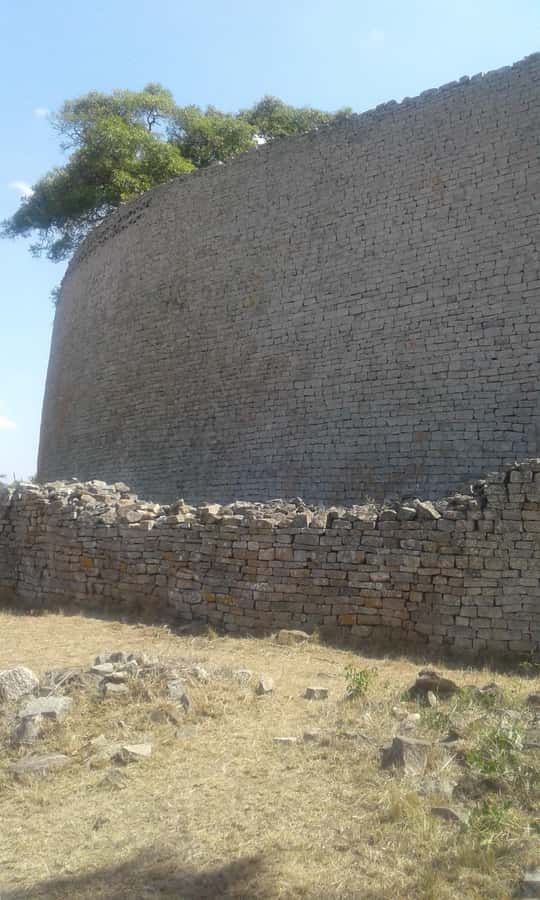
What makes this experience interesting is simple: you spend a full day in Zimbabwean history you can actually walk through, not just read about. Great Zimbabwe is a UNESCO World Heritage Site, tied to the Shona civilization between the 11th and 15th centuries, and it is huge for the region, the largest ruins south of the Sahara.
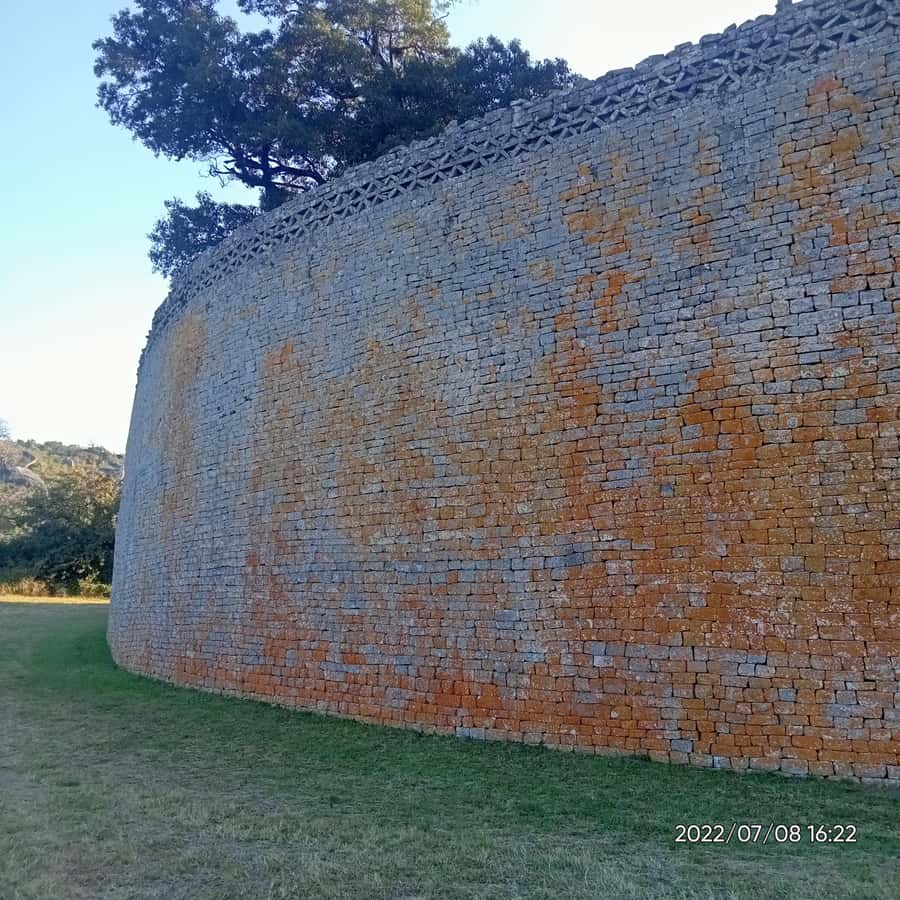
I really like the curator-led approach. You are not just looking at stones, you get explanations about how the site was built and what the monuments mean, including the story behind the name Zimbabwe and the Zimbabwe bird emblem. I also like that the day mixes major viewpoints with practical stops, so you get the drama of the Hill Complex and Great Enclosure, plus a museum break.
One consideration before you book: it is a long road day. The drive from Harare is about 338 km one way, and the schedule means an early departure, plus walking and a climb on the Hill Complex. If you have low fitness, high blood pressure, or you do not feel steady on uneven ground, this may not be the best fit.
Key highlights worth your time
- Curator-guided monument tour with entry fees included
- Hill Complex climb plus Museum, Great Enclosure, and Valley Ruins
- Name Zimbabwe explained on-site, including the big-house meaning and the Zimbabwe bird
- Scenic road trip with refreshment breaks and bottled water
- Practical timing that lets you plan lunch around the ruins visit
- English live guide who keeps the day moving and clear, including support like Brighton
A long, guided run to Great Zimbabwe that feels like time travel
This is not a lazy half-day outing. It is a proper day trip, built around one goal: getting you to Great Zimbabwe and back with enough guided time on-site to understand what you are seeing.
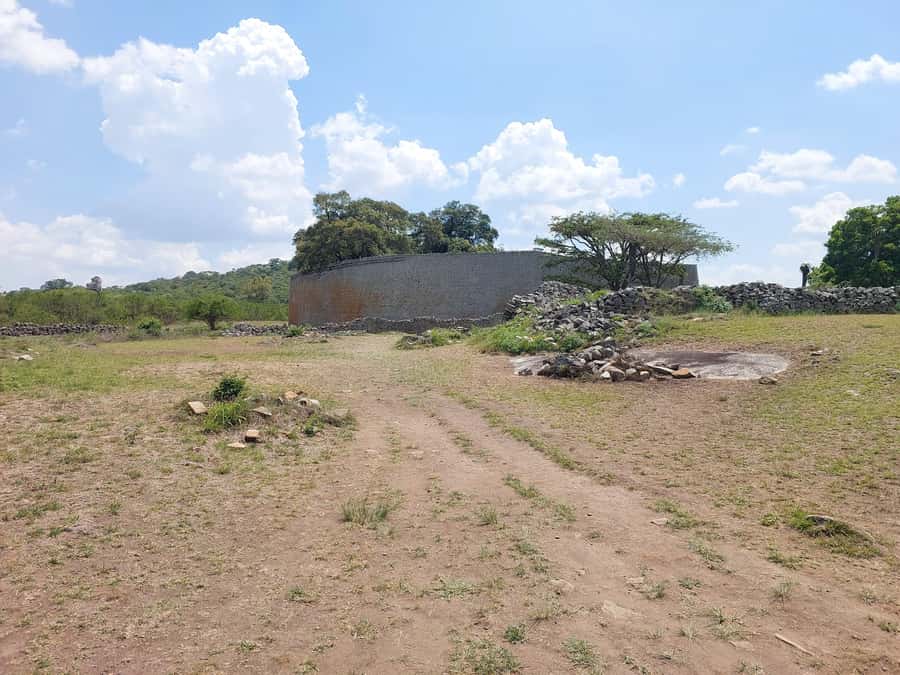
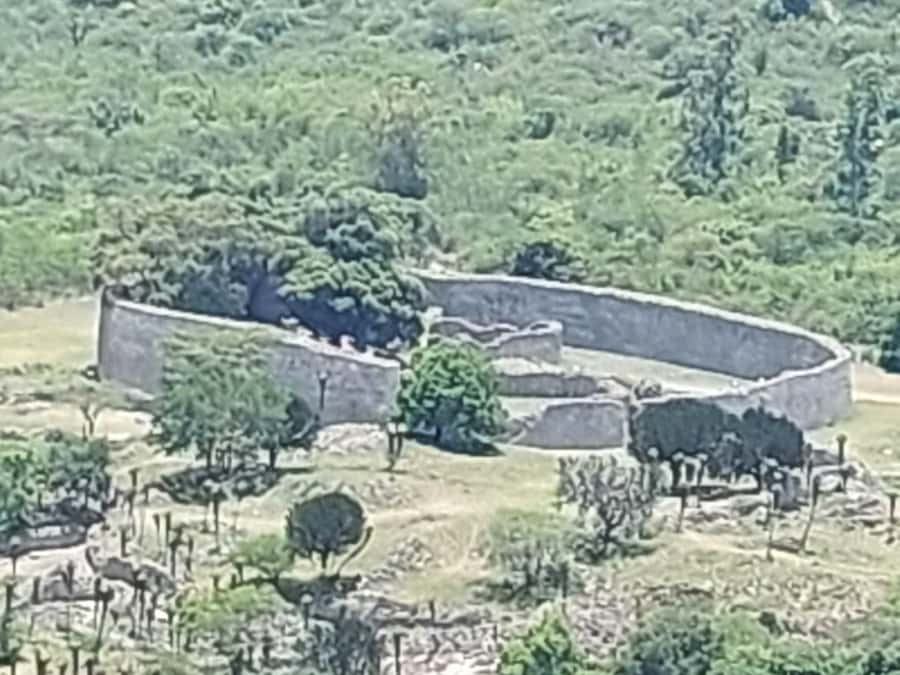
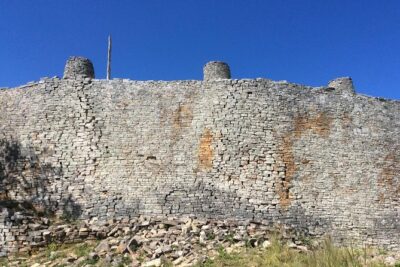
The ruins sit in Masvingo Province, about 40 km from Masvingo town, in the lowveld at around 1100 m altitude. The monument covers nearly 800 hectares, and it is organized into three main areas: the Hill Ruins, the Great Enclosure, and the Valley Ruins. So your visit is not a quick peek. You cover the big zones that help you connect the geography to the story.
I like that the tour is structured enough to make the long drive feel worth it. The schedule moves you from pickup in Harare, to Masvingo, to the ruins, then back to Harare before late morning. It is a full loop, so you do not have to think too hard once you are on board.
More of the capital, when you have a day:
- Harare: Half Day Outdoor Adventure
★ 4.8 · 5 reviews
Getting there from Harare: early pickup, road views, and food choices
Departure is early. You are picked up around 0600 to 0630 from several Harare locations, with options like Monomotapa Hotel, Harare City Centre, major hotels, and even the airport area. Depending on your pickup point, the start time can shift slightly, but you should plan for an early morning.
The road distance is about 338 km one way, roughly a four-hour drive. Expect the day to feel like a travel day first, then a history day second. On the way, you get bottled water and refreshments, plus a brief stop for recess at convenient places.
Once you arrive in Masvingo, you will typically be there around 10:00. There is a short stop for refreshments, then the trip continues about 40 km to the Great Zimbabwe National Monument area. You can usually either head straight to the monument from Masvingo town or pause briefly for food at a takeaway restaurant.
Lunch is where you can get smart. You can buy lunch at Great Zimbabwe Hotel, which is about a kilometer from the ruins. The tour guidance also leans toward doing the monument tour before lunch. Why? Because once you are on-site and in walking mode, it is easier to keep the momentum and save your meal break for when you are done with the climb and main viewing.
What you actually do at the ruins: Hill Complex, Museum, Enclosure, Valley Ruins
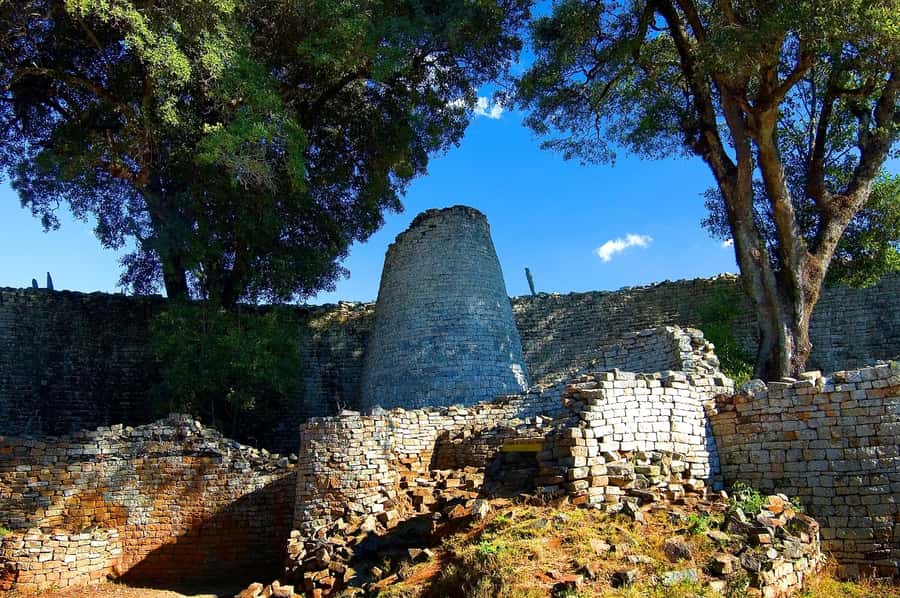
This is the heart of the trip. After you reach the monument area, you are taken through a guided route that hits the major parts of the site.
Climb the Hill Complex
The Hill Complex is the big physical moment. You climb, you look out, you get the sense of why the elevated parts mattered. The tour includes this climb, so it is not just a flat walking circuit. Bring the right shoes and take your time on uneven surfaces.
If you have climbing gear, bring it. The tour notes you should bring climbing gear, and it also explicitly says high-heeled shoes are not allowed. That tells you the organizers expect real footing challenges, not just easy strolls.
Visit the Museum
After the Hill Complex, the museum stop helps you reconnect what you saw with what it means. You also get a break from direct sun exposure and a chance to slow down the pace for a moment. This is one of those stops that makes the whole day click, because you move from impressions to explanations.
Tour the Great Enclosure and Valley Ruins
Then you head into the main monument areas: the Great Enclosure and the Valley Ruins. This is where the scale becomes clear. You are walking through different sections of the complex, not just snapping a few photos and leaving.
The guided part matters here. A curator guides throughout the monument tour, sharing details about history, culture, and construction. Stones can look similar until someone gives you the framework to notice patterns and layout. That framework is exactly what makes the visit more than sightseeing.
Timing back to Harare
You usually depart Great Zimbabwe around 16:30 and arrive back in Harare around 07:30, depending on departure timing, weather, and traffic levels. This timing is important. You will want to avoid planning anything else that night, because the schedule is designed to finish the day with an overnight drive ending in the early morning.
Why the name Zimbabwe matters when you see the stones
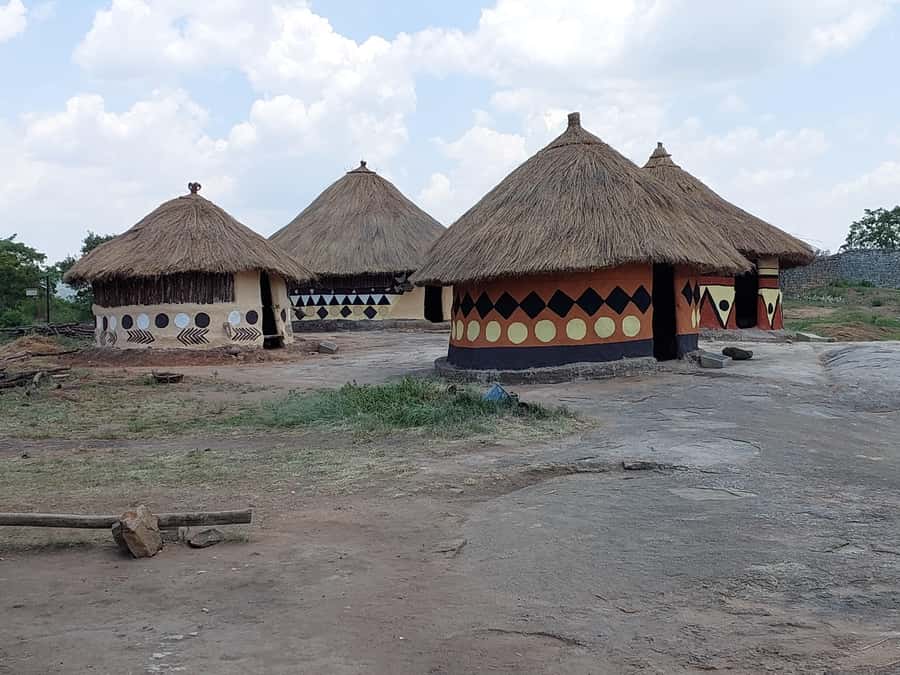
You can treat Great Zimbabwe like a photo stop, but you will enjoy it more if you understand why it is tied to the country’s identity.
The tour guidance explains that the name Zimbabwe is derived from these National Monuments. Zimbabwe means big house made of stones. That simple translation gives you a useful lens as you move around the site, because you start thinking about the structures not as random ruins, but as built, intentional spaces.
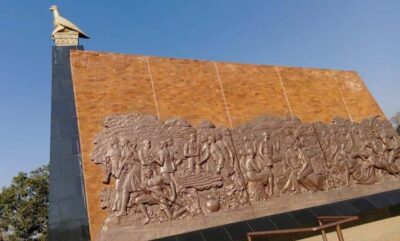
You also hear about the Zimbabwe bird, a steatite bird that has been adopted as a national emblem. Even if you are not a symbolism person, it is helpful because it connects the site to modern cultural identity. You look at the emblem, then you look at the monument, and suddenly the visit feels less like a history lecture and more like a cultural link that survived centuries.
One more on-site fact that helps: the monument was built between 1100 and 1450 AD, and the entire property spans almost 800 hectares. That scale matters because you are not visiting a single building, you are visiting a whole complex with multiple zones and functions.
The guide makes it click, especially with Brighton
This is where I pay attention. A good guide turns a long day into a smooth one.
From the reviews tied to this trip, the name Brighton shows up for exactly that reason. The feedback highlights that Brighton is supportive, and that pickup was aligned in advance, so the day ran smoothly instead of feeling like a scramble. That kind of organization matters when you are leaving early, driving far, then climbing and walking once you arrive.
It also shows in how the day feels: the tour is described as effective and informative, and it mixes joy with history and fun. The balance here is not accidental. A curator-guided route plus an English live guide gives you both context and clarity. If you are the type who hates vague tours, you will likely appreciate that the explanations focus on construction and cultural meaning, not just names and dates.
Road comfort and the reality of a 14-hour schedule
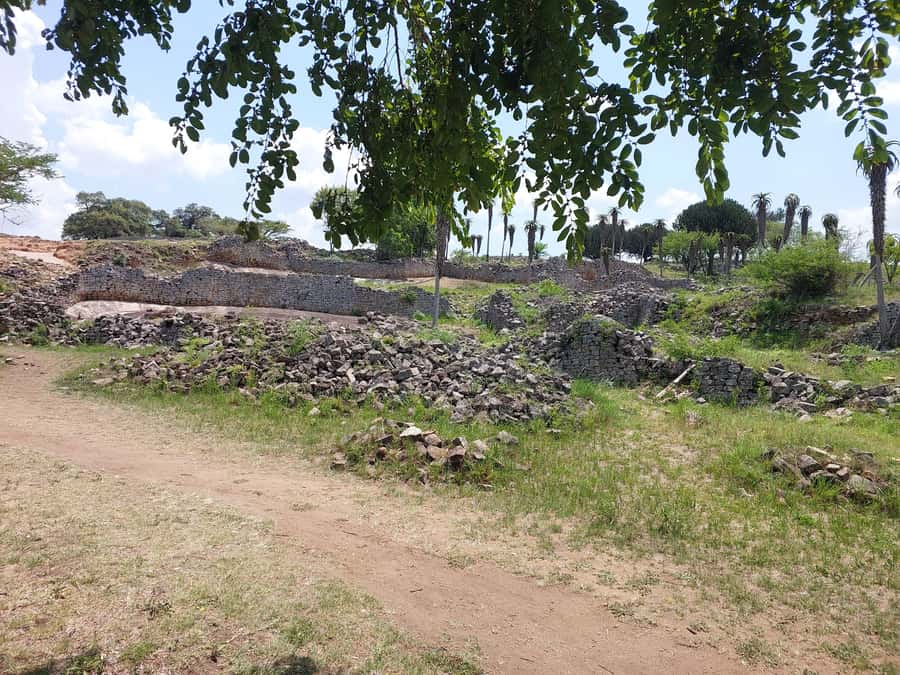
Let’s be honest, this is a marathon day even though the destination is short on paper. You are traveling about 338 km one way, and that does not include time for stops, monument walking, and the planned museum and viewing sections.
On top of that, the tour duration is listed as 14 hours. Another time note says 12 to 13 hours going and returning, so the real-world experience may land in that band depending on pickup alignment and when you depart the monument area.
What helps is how the tour handles small comfort items:
- Bottled water and refreshments are provided.
- You get brief recess stops along the way.
- The itinerary includes a museum break inside the monument area.
- Lunch options are available near the ruins or in Masvingo on the return approach.
If you are prone to getting stiff on long drives, pack a simple comfort kit: water bottle, light layer, and something to keep you busy for the ride. The tour already provides mineral water and refreshments, but you will feel better if you also plan for personal comfort.
What to pack, and what can get you turned away at the gate
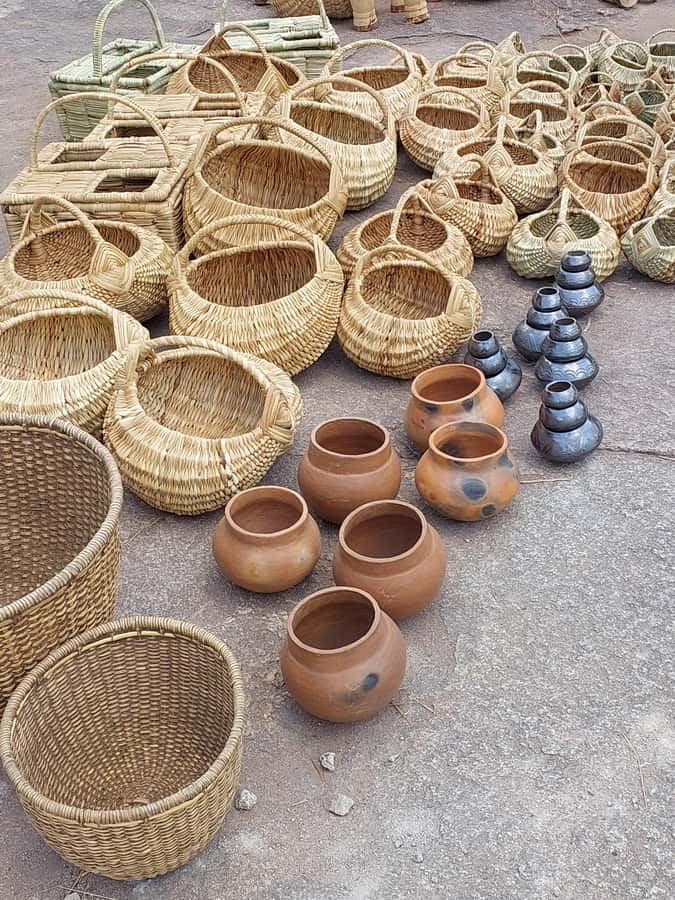
The tour comes with clear rules for what to bring and what not to bring. This is partly about safety and partly about keeping the monument visit smooth.
Bring
- Passport
- Passport or ID card
- Passport or ID card for children
- Climbing gear
Even if you think you will not need climbing gear, bring it anyway if you have it. The Hill Complex climb is part of the standard route, and having the right gear helps you move confidently.
Wear
- Comfortable shoes with good grip.
- Avoid high-heeled shoes, since they are not allowed.
Don’t bring
- Pets
- Weapons or sharp objects
- Oversize luggage
- Alcohol and drugs
- Skateboards or skates
- Explosive substances
- Anything that creates noise or disruption, including making noise
- Costumes
- Military-style clothing
- Nudity
While some of these rules feel strict, they exist for a reason: the monument setting is not a casual event space, and the tour guide needs everyone focused to keep the group safe and on schedule.
Who should book, and who should skip this one
This trip is built for people who can handle a full day of driving plus walking and a climb.
Not suitable for includes:
- People over 287 lbs (130 kg), with additional weight thresholds listed at other limits
- People with high blood pressure
- People with low level of fitness
- People over 95 years
Because the Hill Complex climb is part of the standard itinerary, the fitness note matters a lot. If you have concerns about stamina or walking ability, it is worth considering an alternative approach, like adjusting your trip style to reduce climbing time. The tour also offers a sleep-over option near the ruins, which can help you avoid cramming everything into one day, but that still requires you to handle the on-site walking.
Price and value: what $315 really buys you
The price is listed as $315 per person for the Great Zimbabwe day trip from Harare, with a tour duration around 14 hours.
At first glance, it sounds pricey, but when you break it down, the value becomes clearer:
- Round-trip road travel is long, about 338 km each way.
- You get an English live guide plus a curator guiding inside the monument.
- Monument entry fees are included.
- Bottled water and refreshments are provided.
- The tour has a set flow that covers the Hill Complex, museum, Great Enclosure, and Valley Ruins.
So you are not just paying for access to ruins. You are paying for transport, timed structure, and interpretation that helps you understand the meaning behind what you see.
If you are already planning to hire a vehicle and pay for guides separately, this packaged format can be a practical shortcut. If you hate early starts and long drives, though, you may feel the value differently. This day trip is about commitment. But if you want one focused, guided hit at Great Zimbabwe without the hassle of piecing it together yourself, it is a strong option.
Should you book this Great Zimbabwe tour from Harare?
Book it if you want a guided, efficient day with real explanations and you are comfortable with an early start and a climb. The curator-guided tour style, the included entry fees, and the structured route through the Hill Complex, museum, Great Enclosure, and Valley Ruins make this feel like a complete Great Zimbabwe visit, not a rushed drive-by.
Skip it or think twice if long-distance driving tires you out easily, if you have high blood pressure, or if your fitness level makes the Hill Complex climb difficult. Also, if you would rather go at a slower pace, the tour’s optional sleep-over near the ruins could suit you better, because you can break the visit into two days.
One last practical tip: plan your lunch. Since lunch can be bought at Great Zimbabwe Hotel and nearby Masvingo town options exist, do the monument tour before lunch if you want the smoothest flow through the day.
FAQ
What is the duration of the Great Zimbabwe tour from Harare?
The tour is listed as 14 hours, with going and returning time often around 12 to 13 hours depending on timing and conditions.
What time do you depart Harare?
Departure from Harare is typically around 0600, with the road trip commonly set around 0630. Pickup time can be slightly adjusted, including options like 0700 or 0730.
How does the guided monument tour work once you arrive?
You get a guided monument experience that includes the Hill Complex climb, the Museum, and tours of the Great Enclosure and the Valley Ruins, with a curator guiding throughout.
Is lunch included in the price?
Lunch is not included. You can choose to have lunch at Great Zimbabwe Hotel or in Masvingo town on the way back to Harare.
Do I need climbing gear for this trip?
The tour notes that you should bring climbing gear. It also advises against high-heeled shoes.
What language is the tour guide?
The live tour guide is listed as English.
Can I cancel, and what is the minimum group size?
The tour offers free cancellation up to 24 hours in advance for a full refund, and the tour has a minimum of 2 people.
Latest write-ups from Masvingo
- Harare: Half Day Outdoor Adventure★ 4.8 · 5 reviews
Harare City Tours, compared.

Victoria Falls and Harare Airport Transfers and Car Rentals
Read our review →Browse the lists this tour appears in