
Reviewed · VICTORIA FALLS BRIDGE TOURS
Victoria Falls Bridge Bungee Jump
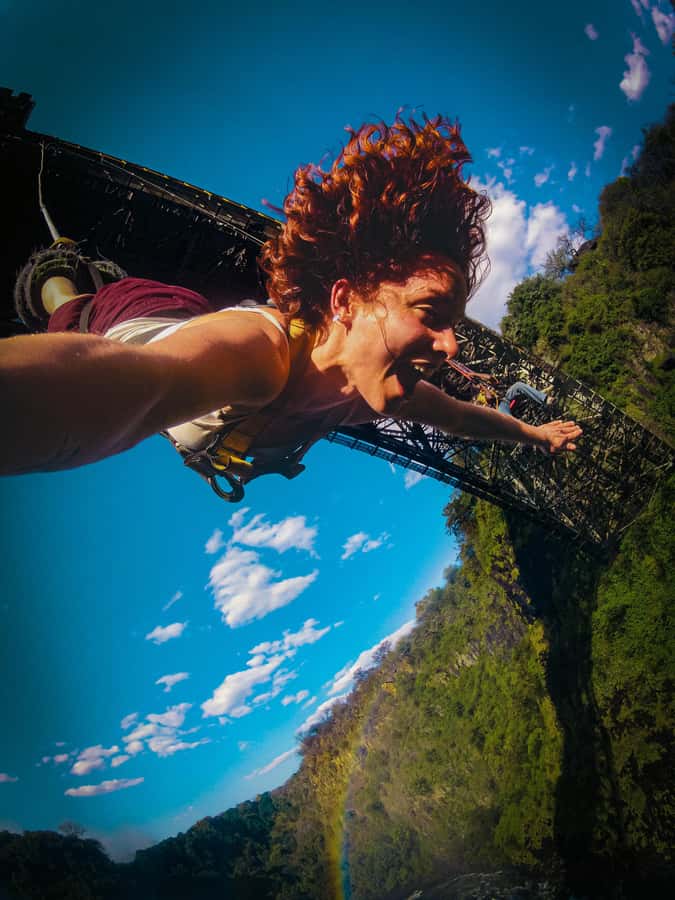
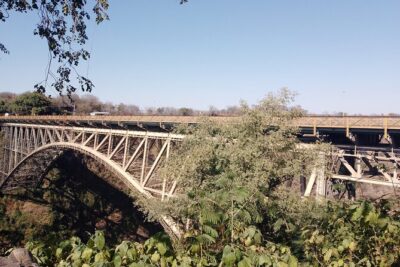
The Victoria Falls Bridge bungee is interesting because it turns the most famous landmark in the area into a high-wire adrenaline moment. What I like most is the clear step-by-step safety talk and the fact you jump from the original Victoria Falls Bridge at 111 meters from the water level. The drawback to think about up front: it is not for everyone, especially if you have the listed medical issues or you are truly afraid of heights.
I also like the practical safety design. You get an ankle harness with two components, plus a waist harness backup attachment, and you are coached on what to expect and how recovery works. One more consideration is timing and logistics: you need your passport, you will do a border gate pass, and you should plan for customs formalities and walking time before your jump.
Key Things to Know Before You Go
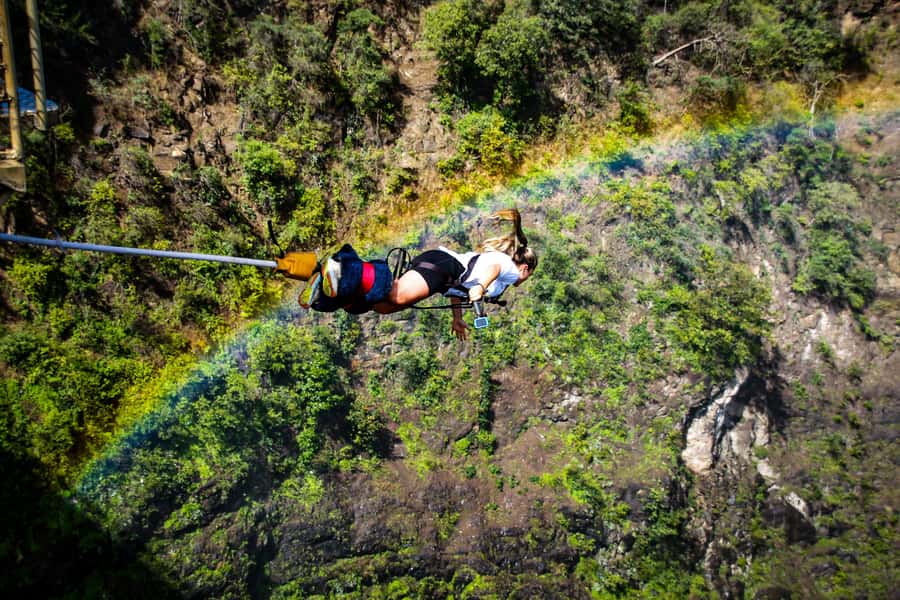
- 111 meters from the water level off the famous Victoria Falls Bridge
- Only bungee in Victoria Falls using the bridge setup between the two border posts
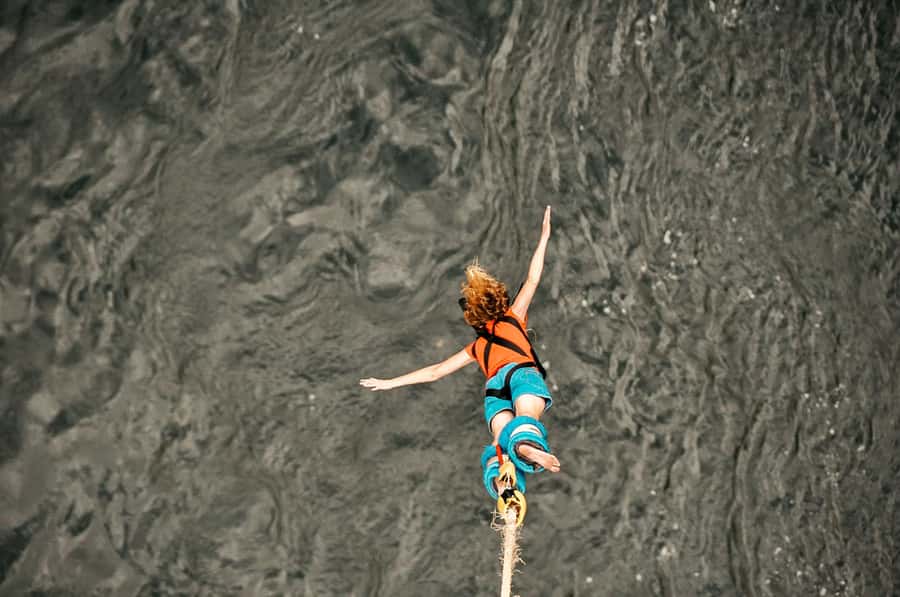
- Four seconds of freefall before the cord brings you back
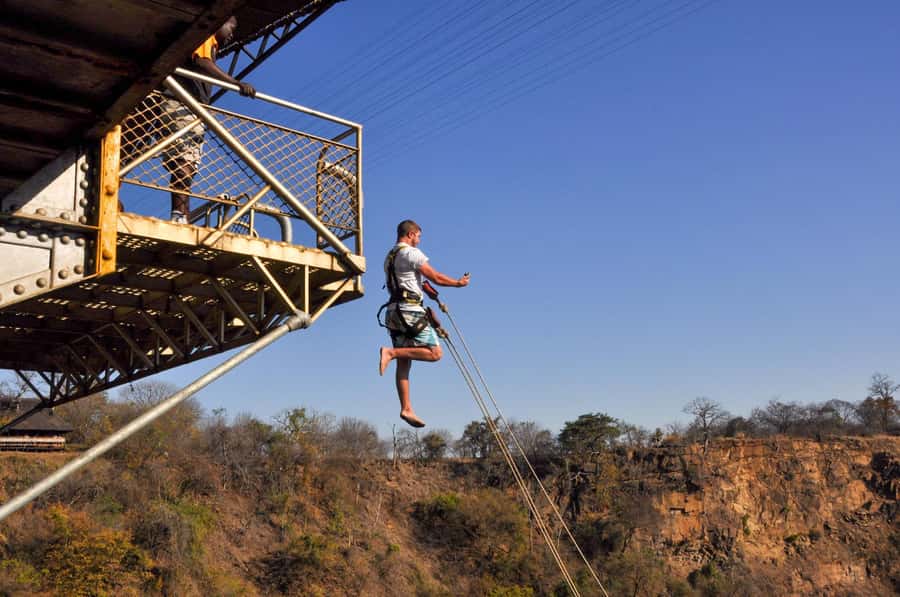
- Safety-first harness system with an ankle harness and a waist harness backup
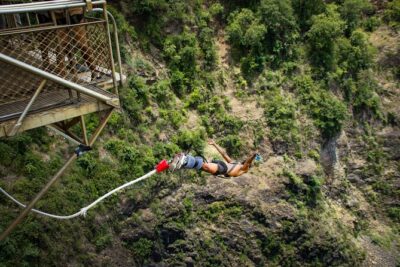
- Hoist-back recovery by the crew to the catwalk below the bridge
- Ask your jumpmaster for extra moves if you are more experienced (like an ankle-tied backflip or star elevator)
Why the Victoria Falls Bridge Jump Feels Different Than Other Bungees
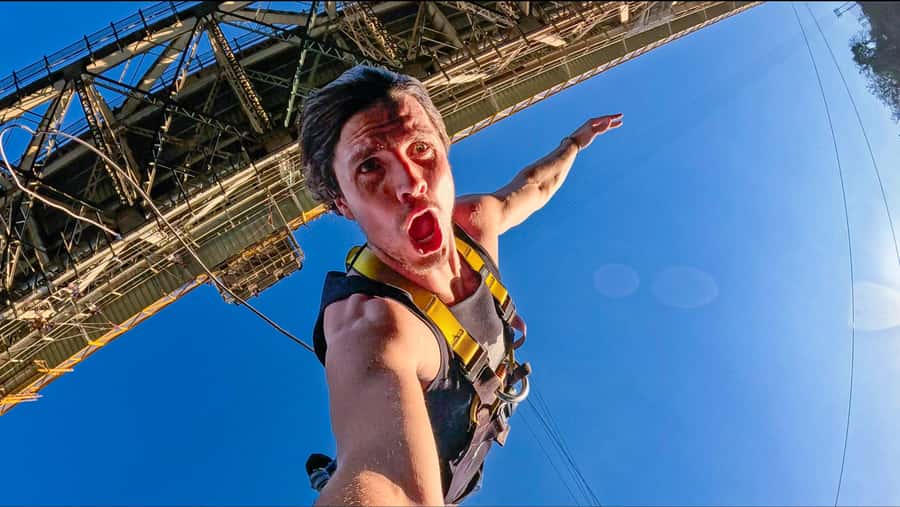
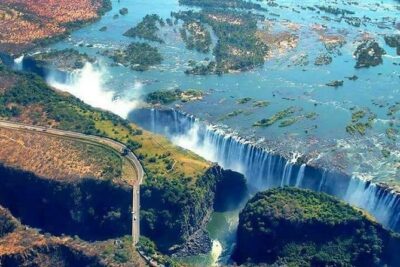
This is not a random bungee platform. It is the Victoria Falls Bridge setup, famous for being one of the highest bungee jumps in the world, and it is right at the falls area. The height matters here. Being 111 meters up makes the moment feel slower and bigger than you expect, because you can actually register the scale before you commit.
I like that the experience is built around a strong safety routine, not just a shock moment. Before you jump, the crew gives you a talk on harness function, what will happen next, and the recovery procedure. That matters because a lot of bungee fear is uncertainty. Remove the unknown, and you can focus on the single decision you came for.
The other reason this feels special is location. The bridge area sits between the Zimbabwean and Zambian border posts. You are not just doing an adrenaline ride, you are also threading yourself through a real border crossing process, which makes the whole morning feel more like a mission than a quick activity.
Other trips out onto the bridge:
- From Victoria Falls: Zip Line from the Victoria Falls Bridge
★ 4.4 · 33 reviews - Walking Safari to the Falls, Bridge and beyond with Savannah
★ 5.0 · 22 reviews - BigAir Experience: Bungee,Swing & Slide from Victoria Fall Bridge
★ 4.5 · 12 reviews
Meeting Point, Border Gate Pass, and How to Get There Smoothly
Your day starts at the Zimbabwe border area. You will need to get a gate pass, and you must bring your passport for that. Then you will walk about 15 minutes to the Victoria Falls Bridge, where you will see the bungee station in the middle of the bridge.
One key detail: you will go to the Zambian side for the bungee registration office. That means after you walk over and spot the station, you still need to follow the stairs up to reach the registration area on the Zambian side. If you are the type who hates last-minute confusion, this is worth circling in your mind before you arrive.
Plan your arrival time with the border process in mind. You should allow about an hour before your jump for customs formalities and walking time. Even if your total activity time is about 1 hour, that one hour on top of your “start time” is what keeps stress low.
Also note the practical side: transfers to and from the activity are not included. You will want your transport handled so you can show up on time for the border process.
The One-Hour On-Site Flow: What Happens Before the Jump
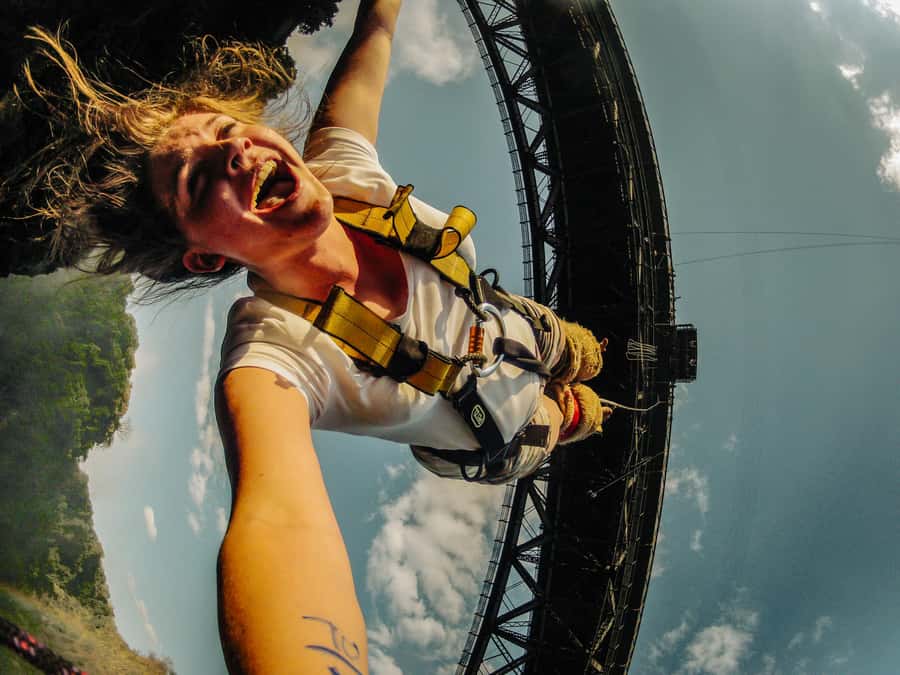
The experience is set for about 1 hour on the bridge area, with crew guidance and the main moment built into that window. The schedule is simple in concept: get processed, listen carefully, get harnessed, then jump, then recovery.
Here is what you should expect on site:
- You will receive a safety talk and learn how the harness system works.
- You will learn what to expect during freefall and how recovery works after the jump.
- You will be screened by the crew for fitness.
- After your jump, you will be hoisted back up to the catwalk below the bridge with assistance from the crew.
That hoist-back detail is more important than it sounds. It means the crew is not just sending you off and hoping for the best. They actively bring you back up after your jump, which reinforces that the operation is managed end-to-end.
The staff and team experience has also been praised for being professional and friendly, and for taking you through it step by step. That matters most when you are standing at the edge. Most of the fear in bungee comes from waiting. When the crew helps you stay on track, the jump can feel like it finally clicks into place.
Harness and Safety System: The Details I’d Look for First
The harness system here is designed with redundancy, and I like that it is explained clearly before you commit. You are issued an ankle harness with two components. There is also a waist harness that acts as a separate attachment to the cord as a backup system.
You should not treat that as a buzzword. Redundancy is the whole point of a backup attachment. It also makes the safety talk feel more concrete, because you can picture the two-part system instead of just trusting a single strap.
There is also a track record element. The system has been used for over 500,000 jumps worldwide with no incident of slipping or coming undone, based on the information you are given. I would still take any extreme activity seriously, but knowing the operation is based on a tested system helps you settle into the moment rather than spiraling into doubts.
The crew screening matters too. Everyone is screened by the crew for fitness, and you are asked to advise them of any medical problems. That is where you should be honest, even if you worry it might cost you the jump.
Other ways off the bridge:
- Gorge Swing (Zimbabwe)
★ 4.5 · 38 reviews - Flying Fox (Zimbabwe)
★ 5.0 · 17 reviews - Zipline (Zimbabwe)
★ 4.0 · 13 reviews - Zipline – Victoria Falls
★ 3.5 · 7 reviews
Jump Setup and Extra Tricks for Experienced Jumpers
For most people, the goal is straightforward: stand, jump, and ride the freefall. You will feel four seconds of freefall as you drop, with the height doing the heavy lifting on the intensity. After that, the cord does what cords do, and the team manages the recovery back up to the catwalk.
If you are more experienced, you may have options. The guidance is simple: speak to your jumpmaster and make it more adventurous. The examples given include an ankle-tied backflip or a star elevator.
Do not assume you can do these moves automatically. Think of them as “ask if it is possible” rather than “this is guaranteed.” The jumpmaster will decide what works with your experience and the operation rules that day.
Your Main Moment: Four Seconds of Freefall at 111 Meters
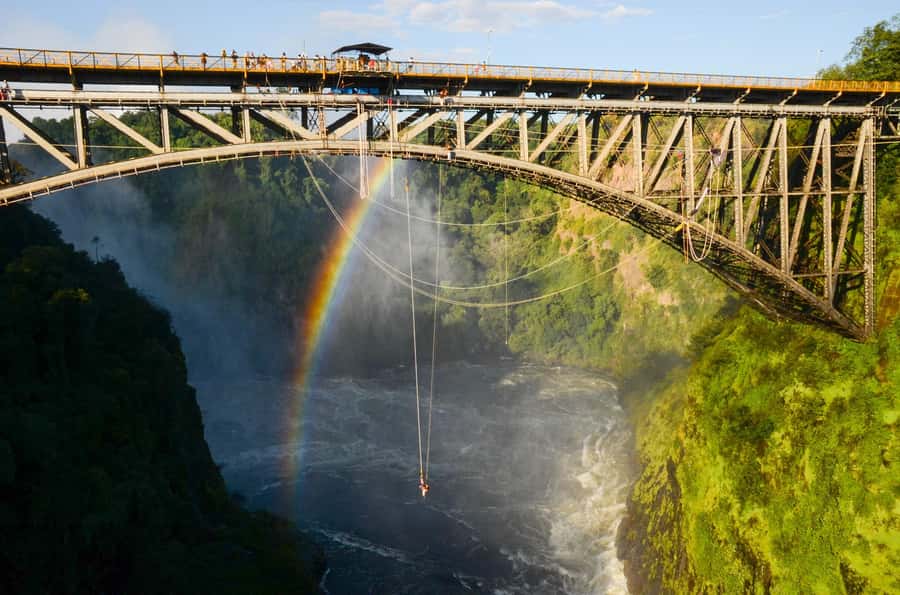
The top of the bridge is where most people feel the adrenaline spike, because the physical height becomes real. That is usually the scariest part, not the falling itself. Once you jump, the experience becomes surprisingly simple: you are committed and the freefall is only four seconds, then the system takes over.
And that scale is hard to forget. The bridge jump sits 111 meters above the water level, and it is the kind of height that forces you to respect your own mind. If you are afraid of heights, this is specifically listed as not suitable, and you should believe that warning.
If you handle the fear and go anyway, the reward is a burst of pure adrenaline plus the satisfaction of doing something that feels iconic. This is also positioned as the only bungee in Victoria Falls, which makes it feel like a “do it here, not anywhere else” choice.
Price and Value: Is $194 Worth It?
The price is $194 per person, and the big question is what that money buys beyond the jump itself. Here’s what is included: a bungee certificate. You are also getting the operational side: safety briefing, harnessing, crew-managed recovery, and the support of a team that runs this daily at 9:00 AM (subject to spray and rain).
Transfers are not included, so the true cost depends on how you are getting there. If you are already based nearby with easy access to the border area, the price can feel more reasonable. If you have to arrange transport from far away, plan that extra cost into the decision.
To judge value, I look at four things:
- Safety process and equipment (briefing plus redundant harness setup)
- Time efficiency (about 1 hour on site)
- Location exclusivity (the Victoria Falls Bridge original)
- What you take home (a certificate)
Given that the operation is built around a large number of worldwide jumps and a defined harness system, the $194 mainly goes toward doing the jump safely, not toward optional extras. That makes it feel like a “pay for the real thing” activity, not a bundle of add-ons.
Who This Is For, and Who Should Skip It
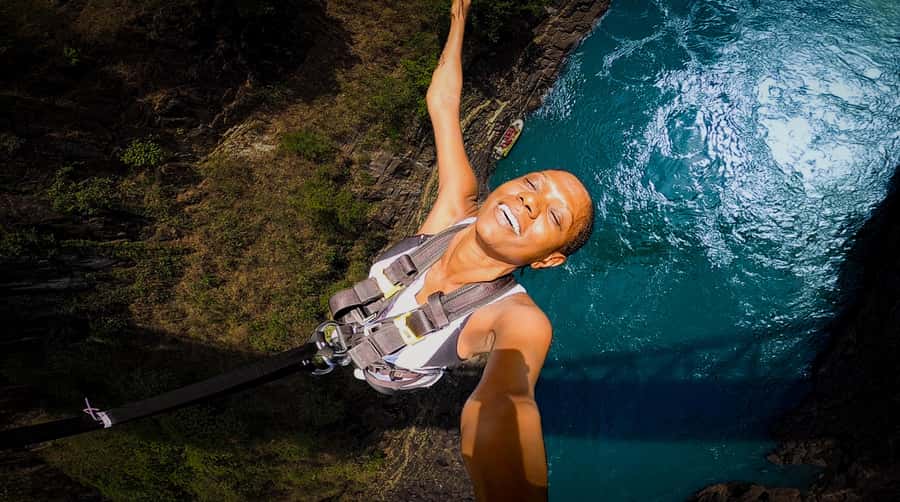
This bungee has clear suitability rules. I appreciate that they are explicit, because they force you to be honest rather than brave.
Not suitable for:
- People with back problems
- People with heart problems
- People with high blood pressure
- People who are afraid of heights
- People under 40 kilograms or over 120 kilograms
Age is also straightforward. You must be at least 14 years old, and if you are under 18 you need parental written consent.
I also take seriously the instruction to advise the crew of any medical problems. If you have a condition that might be relevant, tell them. If they decide it is unsafe, you will be disappointed for a minute, but you will avoid a much bigger problem.
Who it suits best:
- Adults and teens 14+ who meet the weight and medical guidance
- People who can handle a four-second freefall and do not panic at heights
- Travelers who want one iconic adrenaline moment at Victoria Falls, not a long multi-day adventure
Weather, Operating Hours, and Planning Your Best Day
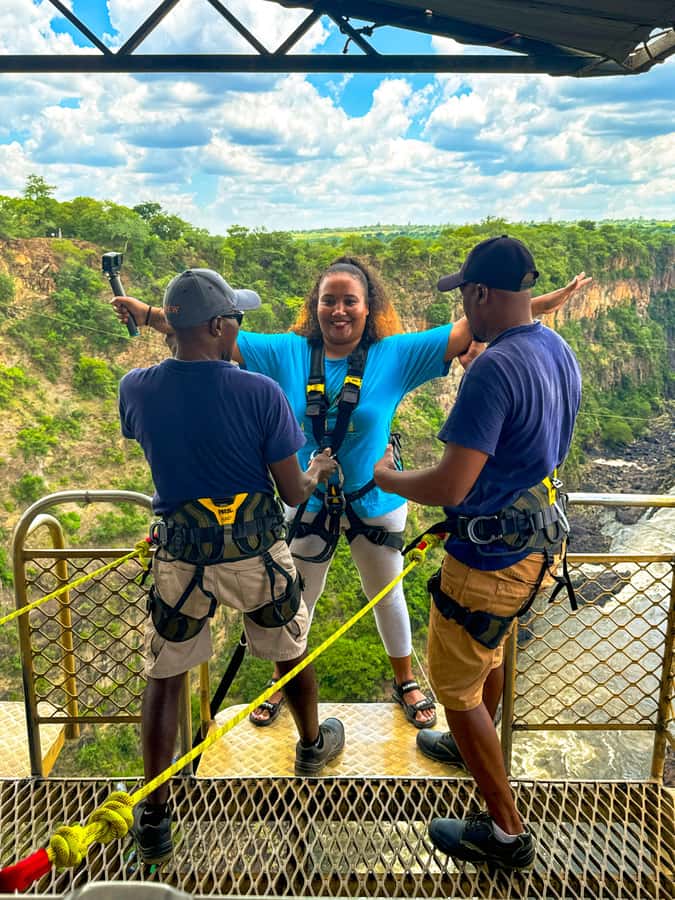
The site operates daily from 9:00 AM, but it is subject to spray and the rain. That is important at Victoria Falls because weather can change fast.
So you should plan like this:
- Decide on your bungee day early enough that you have backup options if rain or heavy spray affects operations.
- Arrive with time for the border process and walking to the bridge.
- Expect the experience to run through the full flow: screening, safety talk, harnessing, jump, then recovery hoist-back.
If you go when conditions are questionable, you might end up with delays or a day that does not go exactly as planned. Because the operation depends on site conditions, flexible travel days help.
What You Leave With: The Certificate and the Memory
The included bungee certificate is the simple takeaway, but the bigger value is the mental one. This is the kind of experience that resets your confidence, because you do something intense that you were nervous about.
Also, pay attention to how the crew supports you. The most praised part in the team experience is how they handle fear with step-by-step guidance. If you have that in place, the jump becomes a planned event rather than a fight with yourself.
Finally, remember the border piece. You will be dealing with a gate pass and passport checks, so keep your documents secure and ready. That practical detail can be the difference between a smooth start and a stressful scramble.
Should You Book the Victoria Falls Bridge Bungee Jump?
Book it if you want the real Victoria Falls Bridge experience, you meet the age and weight rules, and you can handle heights. I would also book it if you appreciate a strong safety setup and a crew that walks you through what will happen next. The combination of the high jump, the four seconds of freefall, and the operation style is why this is worth making time for.
Skip it if you have back, heart, or high blood pressure issues, if you are under 40 kg or over 120 kg, or if you are genuinely afraid of heights. Also skip it if you know you will not listen to the safety briefing calmly. This is not the right activity for testing your panic.
If you do book, make your life easier by planning your arrival with the border gate pass and walking time in mind, and keep your passport ready. That is the most practical way to turn nerves into a clean, controlled experience.
FAQ
Do I need a passport for the Victoria Falls Bridge bungee jump?
Yes. You need your passport to get the gate pass at the border.
Where do I meet for the activity?
You meet at the Zimbabwe border area. After getting your gate pass, you walk about 15 minutes to the Victoria Falls Bridge, then go to the Zambian side and up the stairs to reach the bungee registration office.
How old do I have to be to jump?
You must be at least 14 years old. If you are under 18, you need parental written consent.
What are the weight limits?
The minimum weight is 40 kilograms and the maximum weight is 120 kilograms.
How high is the jump and how long is the freefall?
The bridge jump is 111 meters from the water level, and you experience about four seconds of freefall.
What time does the site operate?
The site operates daily from 9:00 AM, but it is subject to spray and rain.
Latest write-ups from Victoria Falls
- Zambezi Sunset Cruise In Victoria Falls★ 4.5 · 3 reviews
- Victoria Falls: Whitewater Rafting + Chobe Safari Combo★ 5.0 · 3 reviews
- Shearwater Bungee Jump Victoria Falls Bridge★ 5.0 · 3 reviews
- Victoria Falls and Harare Airport Transfers and Car Rentals★ 4.0 · 3 reviews
- Guided Tour Of The Majestic Victoria Falls/Sunrise Tour★ 5.0 · 3 reviews
- Full Day Birding Zambezi National Park Includes Picnic Lunch★ 5.0 · 3 reviews
- Two Days/One Night Rafting Tour★ 5.0 · 3 reviews
- Zambezi River: Kid-Friendly Whitewater Rafting★ 5.0 · 3 reviews
Victoria Falls Bridge Tours, compared.

Walking Safari to the Falls, Bridge and beyond with Savannah
Read our review →
BigAir Experience: Bungee,Swing & Slide from Victoria Fall Bridge
Read our review →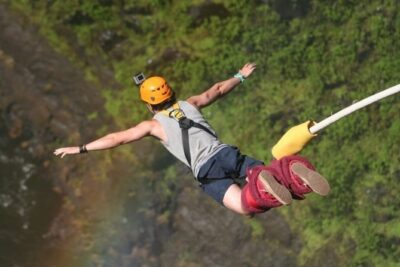
Browse the lists this tour appears in