
A Zimbabwe traditional village tour from Victoria Falls is interesting because it flips the usual script. Instead of the falls and the animals, you get a closer look at how people live day to day in a rural setting that has changed more slowly than the tourist trail.
I like the cultural learning part, especially when you can ask questions and get straight answers in English. I also like the family-level access you often get, not just a quick look at a staged exhibit. One consideration: timing and pickup communication can be imperfect, so you’ll want to confirm your collection details the day before.
Key highlights that matter on this tour
- Meet a local household, often centered on one family property, so you see daily routines rather than a show
- English guide time, with clear explanations about customs, beliefs, and how the village works
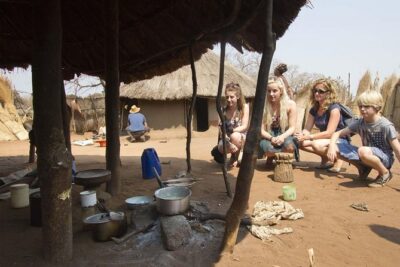
- Homes and cooking spaces, including kitchen huts and sleeping areas, which helps you understand the layout
- Farming and fields, plus a real sense of how rainfall affects food and income
- Hands-on help, when appropriate, so you do more than watch from the edge of the compound
- Bring a gift for hospitality, with old clothes, stationery, or small sweets being commonly appreciated
Why this Zimbabwe village tour feels different from the usual Victoria Falls day
Victoria Falls is built around big moments. You go for the sound, the mist, the views, and the wildlife. This tour offers a different kind of perspective. It’s about people, routines, and the practical side of culture, where traditions show up in the way a home is built, how meals are made, and how families plan their work.
What makes it especially compelling is the idea that the village experience is not trying to replace your main sightseeing. It’s an added layer. In just a couple hours, you can connect the dots between what you see in town and what life looks like in Matabeleland North, away from the more modern pressures.
And the feedback has been consistently positive overall, with an average around 4.5 out of 5. The strongest praise points toward welcome, clarity, and real access to family life.
More Village Tours in Victoria Falls
- Victoria Falls Gorge Hike & Farm to Table Village Lunch
★ 5.0 · 15 reviews - Victoria Falls Rural Tour: Village Life Experience
★ 4.5 · 15 reviews - Horse Riding Community Village Tour Experience
★ 5.0 · 13 reviews
The basics: duration, location, and how Tamuka Travel runs it
This is a 2.5-hour traditional village tour based in Matabeleland North, Zimbabwe. It is designed for a focused visit to a rural household or settlement, guided by a professional English-speaking guide and supported by an air-conditioned vehicle.
Transfers are included within Victoria Falls. If you are staying outside Victoria Falls, the tour does not provide transfers. So, if you’re building your day, keep this tour on the Victoria Falls side of town so you don’t get stuck on logistics.
In practice, the experience can feel intimate. Some people do it as a solo tour with a guide, while others share the van with just one other person. Either way, the common thread is you’re not getting dumped into a crowd and rushed through a script. The best moments happen when you can ask questions and then watch how answers translate into daily life.
Entering the village: what you typically see on the compound
When you arrive, the first thing you notice is layout. You’re likely to tour a family property and see homes, common areas, and farming connections that explain why rural life is structured the way it is.
People often start by walking you through the living areas and explaining how the household functions. Several experiences highlight being shown inside key spaces, including kitchen huts and sleeping quarters. That matters because it turns the visit from general sightseeing into an understanding of everyday needs: cooking, storing, resting, and caring for family.
You may also get a peek at working areas tied to food production. Some tours include a look at growing crops and how people tend fields. When the guide explains what happens when rains come, or when they don’t, the whole experience becomes more than cultural. It becomes human and current.
One review detail that stands out is the sense of welcome. Some families reportedly greeted visitors even when they did not know in advance, which can make you feel less like a customer and more like a temporary member of the conversation. That’s a good vibe, but it also means you should be ready to be a respectful, quiet listener.
Homes, kitchens, and the value of seeing real routines
This is the part that tends to get the most praise, because it’s concrete. Instead of hearing about village life in broad terms, you see how it works at household scale.
In many cases, the tour is built around a head of the family or elder doing the telling. You might hear English explanations about customs and beliefs, then watch how those beliefs connect to daily routines. People also mention being shown places where food is prepared and how rooms are used.
Why I think this matters for you: it helps you avoid the common mistake of romanticizing rural life. Yes, there’s cultural beauty. But you also learn what is practical and what is difficult, like the dependence on rainfall for farming. One example shared in the experience is a season where rain largely failed, directly affecting farms and survival strategies.
If you’re the type of traveler who likes asking questions, you’ll likely enjoy this segment most. It is often not rushed. Some tours describe English presentations for just two people, which makes a huge difference when you want to follow up.
Other community visits run the same way:
- Victoria Falls: Chinotimba Township Tour with a Local Guide
★ 4.7 · 9 reviews - Victoria Falls Cultural Private Village Tour
★ 4.0 · 9 reviews - Cultural Village Tour,Interacting With the Communal Villagers (Educational Trip)
★ 4.5 · 7 reviews - Victoria Falls: Village Life Experience
★ 4.7 · 6 reviews
Crops, rainfall, and how people survive beyond the tourist map
A good village visit doesn’t just show you what’s there. It explains why life looks that way. Many highlights center on farming, especially how households rely on annual rains.
If rain fails, you can feel the impact in the story. You hear how crops do or do not grow, and what families do next when food and income are under pressure. That context changes how you interpret what you’re seeing in the fields.
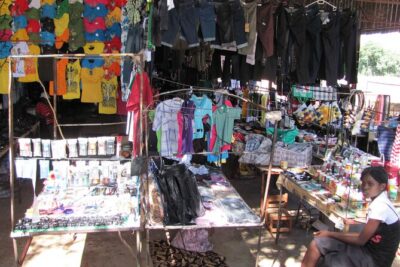
This is also where you can connect the dots back to Victoria Falls. Some of the street sellers you may see in town have ties to village life. Understanding that link helps you see the village not as a separate world, but as part of the same regional economy.
So, when your guide points out fields, or explains the farming calendar, take those moments seriously. They are not filler. They’re the backbone of the story.
Doing things with your guide: helpful, but don’t overdo it
One of the stated highlights is helping with daily tasks. You might find yourself trying small activities linked to what the household does each day, or assisting with simple errands. The point is not to turn you into a farm worker for the day. It’s to let you feel the rhythm of tasks and the reason behind them.
How you should approach it:
- Watch first, then copy the simplest steps.
- Ask what is safe and appropriate.
- If you don’t know what you’re doing, ask. Most people will happily explain.
The best experiences also include time for questions. People describe guides who answer and expand, rather than giving short, rehearsed responses. If your English is solid and you like conversation, this is one of the places where your curiosity gets rewarded.
Also, remember that you’re entering someone’s home space. A few extra minutes of patience and politeness go a long way, especially when you see living areas and cooking spaces up close.
Gifts and clothing donations: what to bring for a meaningful visit
This tour encourages you to bring donations. The most practical advice is to bring items that are useful in daily life. A helpful list includes:
- Old or new clothes
- Sweets
- Stationery
- Other items you think could be useful to the people you meet
You’ll often hear that families appreciate gifts and hospitality, and tips can be part of that gratitude. I’d treat this as one of the few places on a vacation where a small amount of thoughtfulness genuinely matters.
Two practical tips so your donation doesn’t turn into a mess:
- Pack items in a way you can hand them over neatly.
- Carry a small amount of cash in case you’re asked for a tip or small contribution related to the visit.
If you forget donations, don’t panic. You can still have a great experience through conversation and respectful attention. But having a thoughtful gift can change the emotional tone of the visit fast.
Price and value: what $50 gets you, and how to judge it fairly
At $50 per person for about 2.5 hours, this tour is not a bargain by the strictest definition. But it can be good value when you weigh what’s included and what’s happening.
What you’re paying for:
- Transfers within Victoria Falls
- An air-conditioned vehicle
- A professional guide
- Time with a local household, including culture explanations and access to homes and farming context
Compare that with other cultural activities in the region that may charge similar amounts while offering less interaction. Here, the core value is access to daily life at household level, and that’s time-sensitive and personal. It also likely involves your guide coordinating with families, which takes real effort.
Is it worth it? If you want to understand Zimbabwean life beyond the main tourist sights, this is one of the most direct ways to do it in a short time. If you only want photo stops and quick highlights, you might prefer something else. This tour asks for attention.
Transport and timing: the one thing to double-check
Most parts of the experience are straightforward. The main potential issue is pickup timing and communication. At least one person reported a late collection and said the later pickup was not communicated well, though the problem got resolved.
So here’s my practical approach:
- Confirm your pickup time by message or in person the day before.
- Keep your phone charged and reachable.
- Give yourself a little buffer in the morning so you’re not rushing.
Because the tour is only about 2.5 hours, any confusion can feel bigger than it would on a full day excursion.
Who should book this village tour from Victoria Falls?
You’ll probably love this if:
- You want a human side of Zimbabwe, not just landmarks
- You enjoy asking questions and learning through conversation
- You like structured cultural time but still want real household access
- You are comfortable being respectful in a living space
It may be less satisfying if:
- You only want big attractions with minimal interaction
- You dislike being asked to follow house rules around cameras, movement, and entry
- You need everything to run like clockwork, with perfectly confirmed pickups every time
One thing I appreciate in the feedback is that people felt welcome, even on small group or individual tours. That suggests the tour can work well for solo visitors too, as long as you’re open to conversation and listening.
Should you book the Victoria Falls Zimbabwe Traditional Village Tour with Tamuka Travel?
If your goal is to understand life in the Matabeleland North region, this is a strong pick. The value comes from English explanations, household access, and the chance to see how farming and daily routines shape everything.
I’d book it if you’re willing to be a thoughtful visitor: show up on time, bring a useful donation if you can, and remember that you’re stepping into real home life. The experience is short enough to fit a busy Victoria Falls itinerary, but meaningful enough to change how you view the region afterward.
If you want maximum comfort, plan a little buffer for pickup timing. If you’re okay with that, then this is exactly the kind of tour that makes a trip feel grounded in people, not just scenery.
FAQ
How long is the Zimbabwe traditional village tour from Victoria Falls?
The tour runs for about 2.5 hours.
What is included in the price?
The price includes transfers within Victoria Falls, the Zimbabwe traditional village tour, a professional guide, and transport in an air-conditioned vehicle.
What language is the guide?
The guide speaks English.
What should I bring for the village visit?
The tour recommends bringing old or new clothes, sweets, stationery, or other items that may be useful to the people you visit.
Are transfers provided if I stay outside Victoria Falls?
No. Transfers are only available within Victoria Falls.
What is the cancellation policy?
You can cancel up to 24 hours in advance for a full refund.
Latest write-ups from Victoria Falls
- Zambezi Sunset Cruise In Victoria Falls★ 4.5 · 3 reviews
- Victoria Falls: Whitewater Rafting + Chobe Safari Combo★ 5.0 · 3 reviews
- Shearwater Bungee Jump Victoria Falls Bridge★ 5.0 · 3 reviews
- Victoria Falls and Harare Airport Transfers and Car Rentals★ 4.0 · 3 reviews
- Guided Tour Of The Majestic Victoria Falls/Sunrise Tour★ 5.0 · 3 reviews
- Full Day Birding Zambezi National Park Includes Picnic Lunch★ 5.0 · 3 reviews
- Two Days/One Night Rafting Tour★ 5.0 · 3 reviews
- Victoria Falls: Village Tour with Traditional Food Tasting★ 4.0 · 3 reviews
Village & Township Tours, compared.
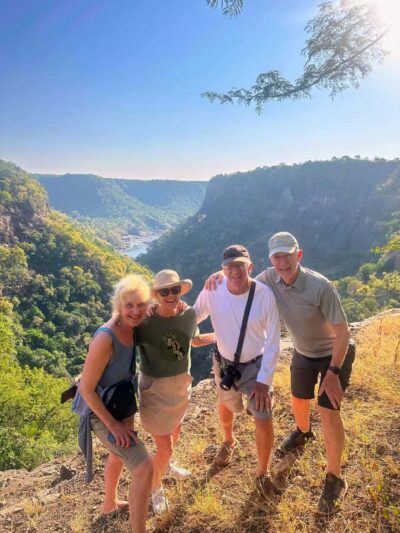
Victoria Falls Gorge Hike & Farm to Table Village Lunch
Read our review →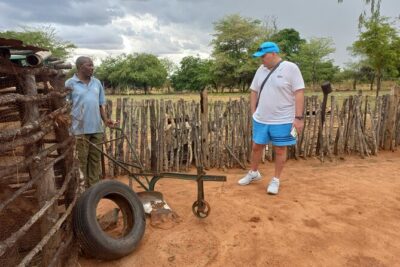
Victoria Falls Rural Tour: Village Life Experience
Read our review →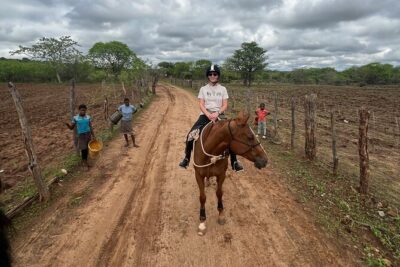
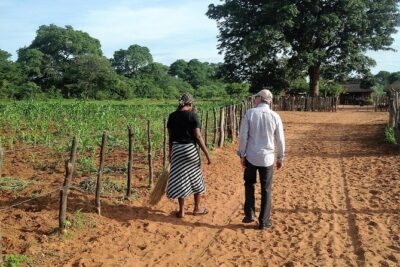
Cultural Village Tour,Interacting With the Communal Villagers (Educational Trip)
Read our review →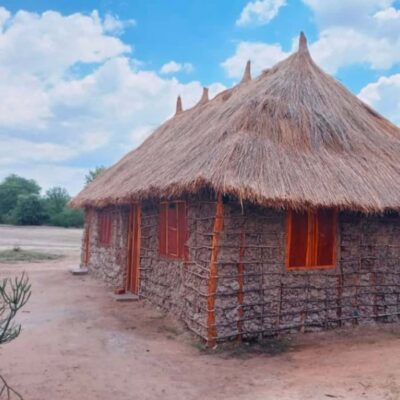
Browse the lists this tour appears in