
Reviewed · VILLAGE & TOWNSHIP TOURS
Livingstone: Amazing Traditional Village & Dance Culture
If you want a day that feels real, not staged, this Muke village visit near Livingstone is one of the best ways to get close to Lozi life and end it with a sunset canoe ride on the Zambezi. You’re not just watching. You’re walking, eating, learning a few local words, and sharing time with the people who live there.
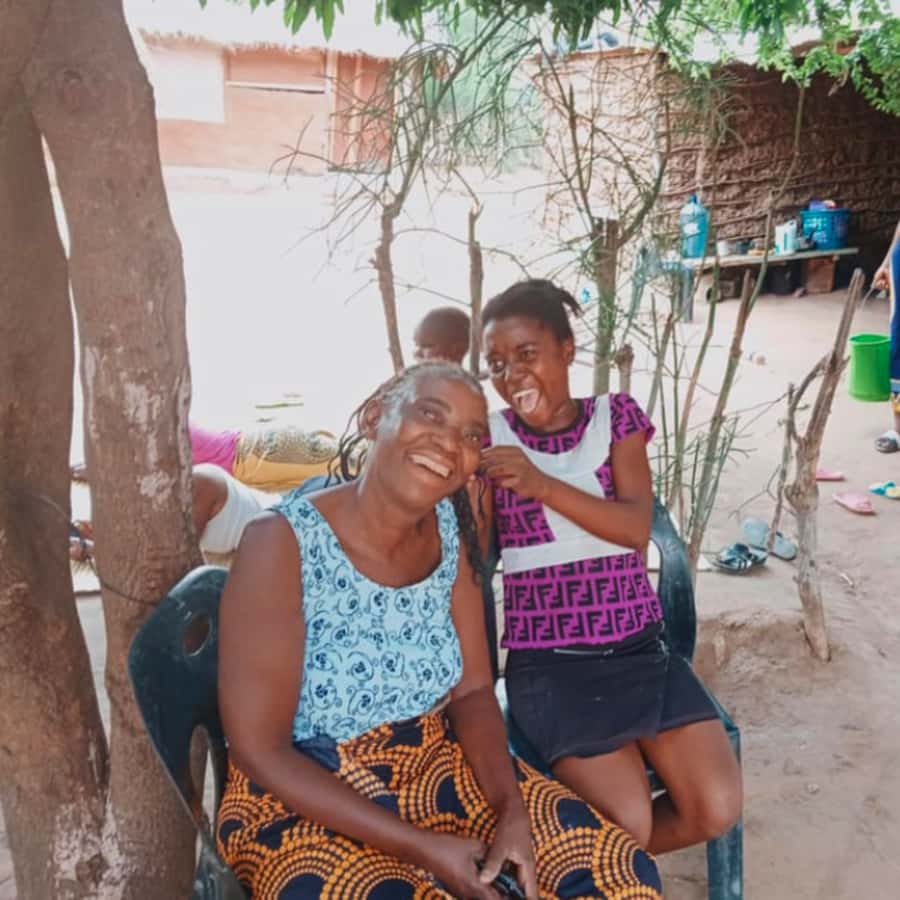
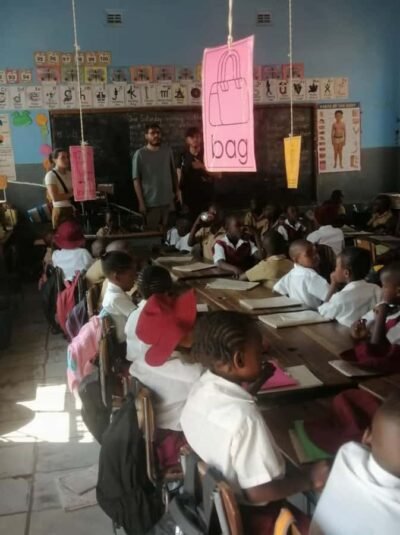
I especially like two things. First, the chance to visit Tusoleke Trust School and see how your money supports the school day to day. Second, the warm hosting from Alex and his family, including a homemade lunch and a cultural dance that makes the whole day feel purposeful, not rushed.
One thing to consider is that 7 hours can feel long in the heat, especially during the village walk. If you’re sensitive to hot sun, plan to hydrate early and ask about the most shaded timing with your guide.
Key things to know before you go
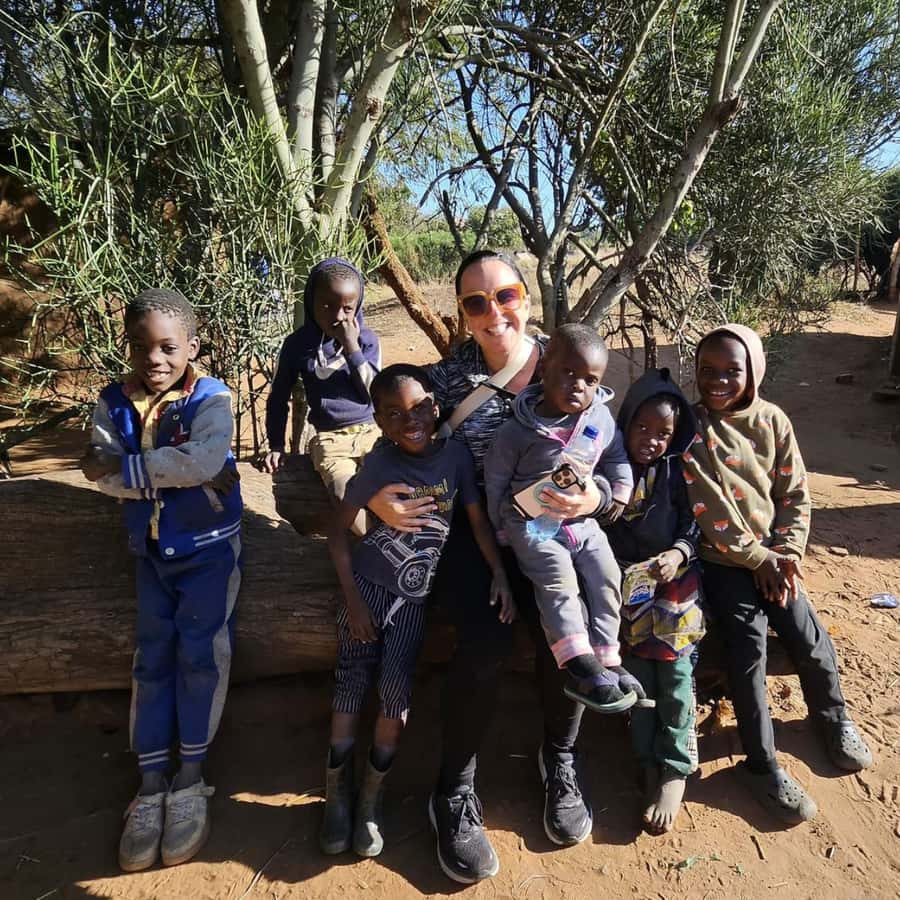
- Tusoleke Trust School support: All profits from village tours go to helping the school
- Lozi village life, up close: Walk through traditional buildings and hear local history explained by your guide
- Culture dance with context: Coffee and tea first, then a cultural dance performance
- Handmade lunch: You eat local food cooked for you as part of the day
- Learn alcohol-making methods: You’ll see how local alcohol is made, as explained on-site
- Sunset canoe on the Zambezi: A calm end to the day, with wildlife possible in the area
Entering Muke Village life, close to Livingstone

This tour takes you to Muke village, a traditional Lozi community about 20 minutes from Livingstone. That short drive matters. You get to start feeling the place fast, and you spend less time bouncing in the van and more time connecting with what’s actually happening in the village.
Once you arrive, the day is built around three simple goals: learn, share, and eat. You’ll meet friendly locals, take a village walk, and hear explanations about how daily life works. Then comes the part that makes it memorable, not just informative, you’ll sit down for a handcrafted lunch and join the cultural rhythm with a dance later in the day.
Because it’s a private group, you’re not stuck in a crowd. You can ask questions, and your guide can pace the storytelling around your interests. That’s a big value boost for a 7-hour experience.
Other community visits run the same way:
- Victoria Falls and Mukuni Village Visit
★ 4.8 · 4 reviews - Cultural And Village Tour
★ 4.1 · 4 reviews - From Victoria Falls: Zimbabwe Traditional Village Tour
★ 4.5 · 57 reviews
Timing and the 7-hour reality in Zambezi heat
The trip runs about 7 hours, which is enough time to do a school visit, village walk, lunch, dance, and a sunset canoe ride. It’s also enough time that the weather becomes part of the plan.
A practical way to think about it: expect an active middle part of the day, with walking and time outdoors. You’ll want to bring more water than you think you’ll need. The tour info is direct, bring enough water for the whole trip, because water is not included.
If you’re planning this as your last day in Zimbabwe, keep it flexible. The day can be warm, and your energy will depend on how quickly you refuel with water and food.
Tusoleke Trust School: where your money goes
One of the strongest reasons to book is the school connection. The tour is run through the Community Tusoleke Trust School and Muke Village setup, and profits from the village tours go directly to helping Tusoleke Trust School.
What I like about this is that you can see the link between visit and impact. You’re not donating into a black box. You’re visiting a place connected to the tour, and the guide can explain what the school means for local kids.
There is one timing consideration to keep in mind: depending on the day of the week, parts of the school experience might not look the same. If you’re visiting on a weekend day, you might find fewer activities happening than you expect. Still, you’ll get the visit and context as planned, but it’s smart to ask your guide what’s running that day so you’re not surprised.
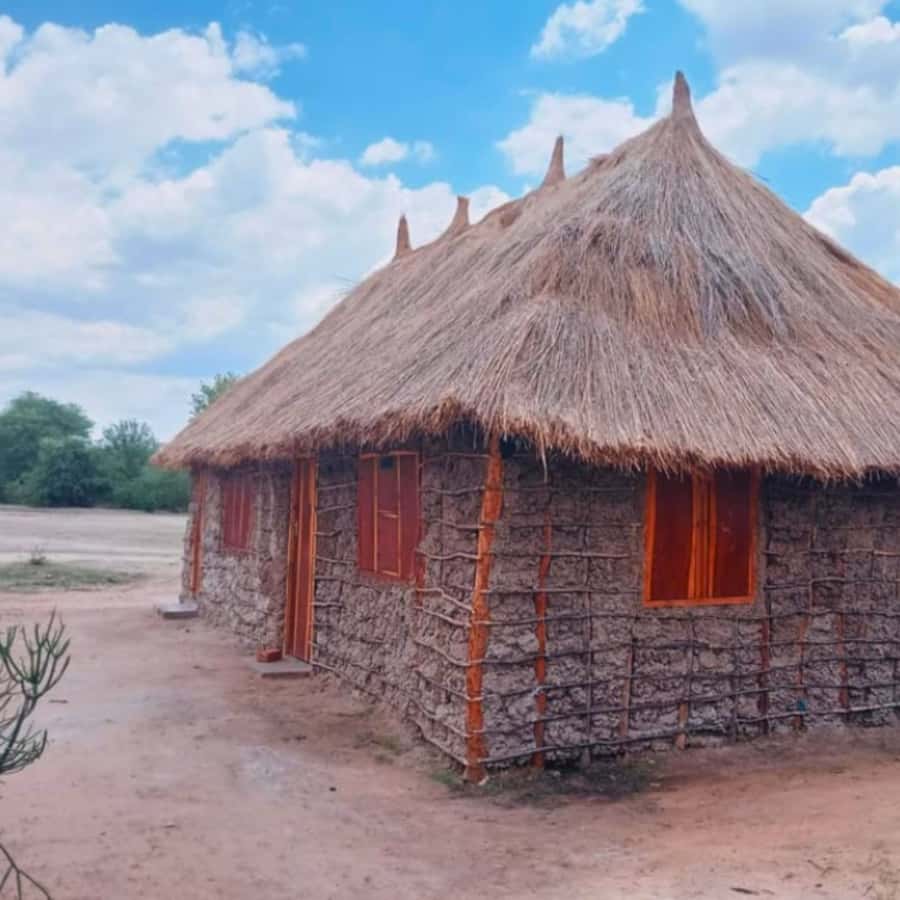
Village walk: traditional buildings, local history, and how people live
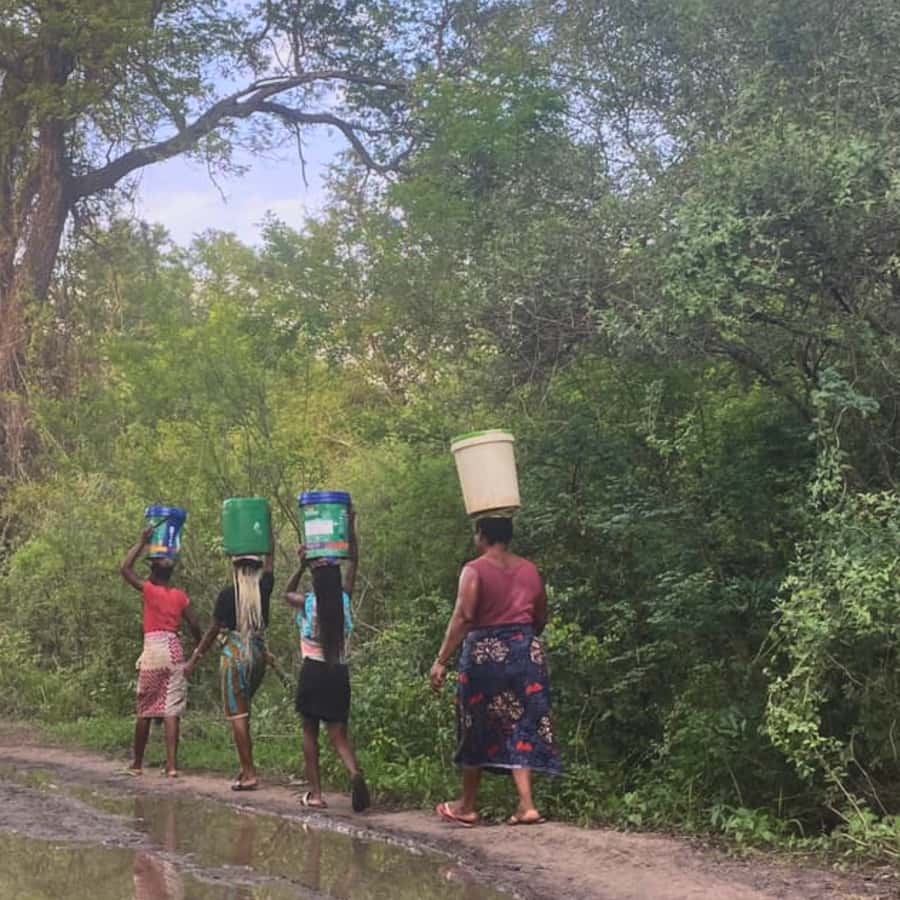
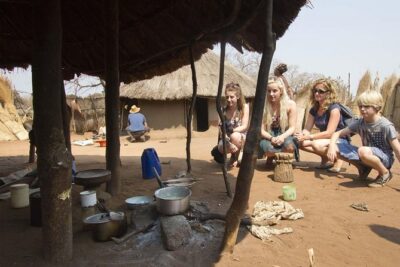
The heart of the day is a village walk in Muke. You’ll learn about the history of the village, see traditional buildings, and hear how they’re built and used. This is the kind of context that turns a quick photo stop into real understanding.
Look at it like this. When your guide explains what a building is for and why certain choices were made, you start noticing details you would otherwise miss. Roof styles, layout, and everyday movement all tell a story, even if you don’t speak the language.
Your guide also helps with learning a few Lozi words. It’s not about becoming fluent. It’s about showing respect and making the conversation warmer. If you pick up a couple simple phrases during the day, you’ll feel the difference in how comfortable people are talking with you.
A few more Livingstone bookings for the same stretch of days
- From Victoria Falls: Livingstone Island Tour & Devils Pool
★ 4.6 · 235 reviews - Victoria Falls: Scenic Microlight Flight
★ 4.6 · 82 reviews - Livingstone: Zambezi River Sunset Cruise
★ 4.6 · 71 reviews - Victoria Falls Helicopter Flights
★ 4.8 · 62 reviews
Learning how local alcohol is made (what to expect and how to handle it)
One of the included experiences is to learn how local alcohol is made. That can sound like a headline, but in practice it’s usually about seeing process and hearing explanations from people who do it for their community.
A smart way to approach it is to be curious but respectful. Ask what ingredients and steps matter most, and listen for what’s traditional versus what has changed over time. If the process includes tasting or handling, follow your guide’s cues.
Also, remember this is part of a 7-hour day that includes lunch and a canoe ride. If you’re someone who prefers not to be involved with alcohol at all, you can still ask questions without pushing for anything that makes you uncomfortable.
Handcrafted lunch: eating with the family side of village life
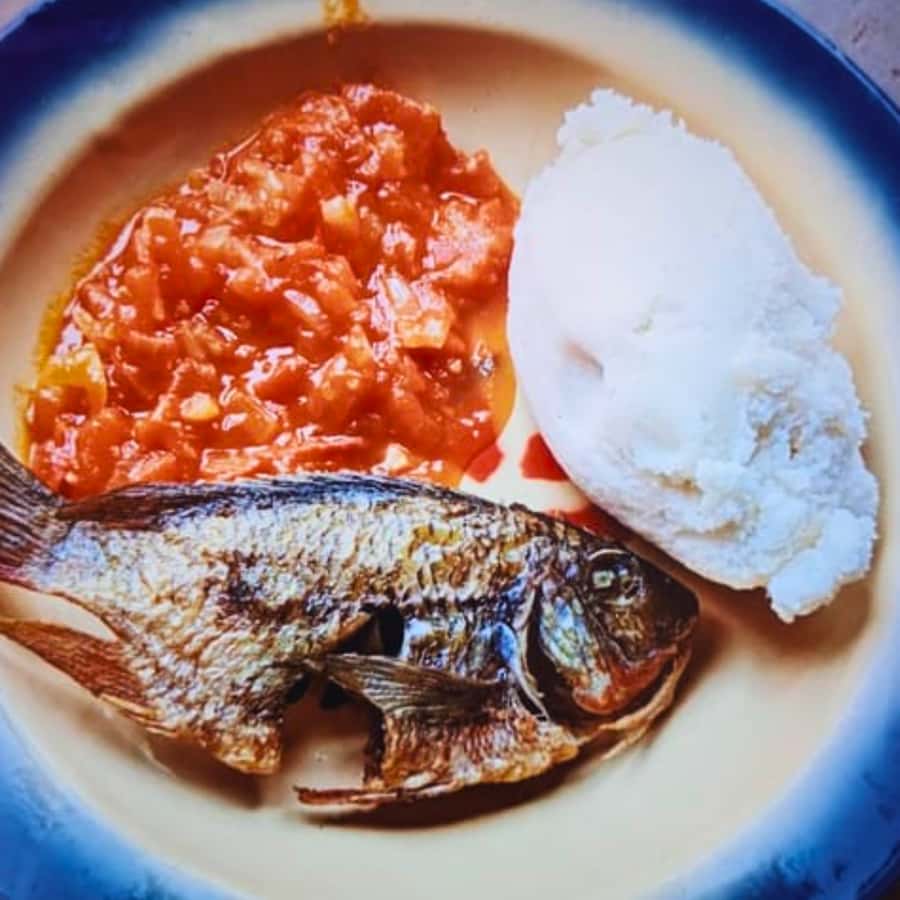
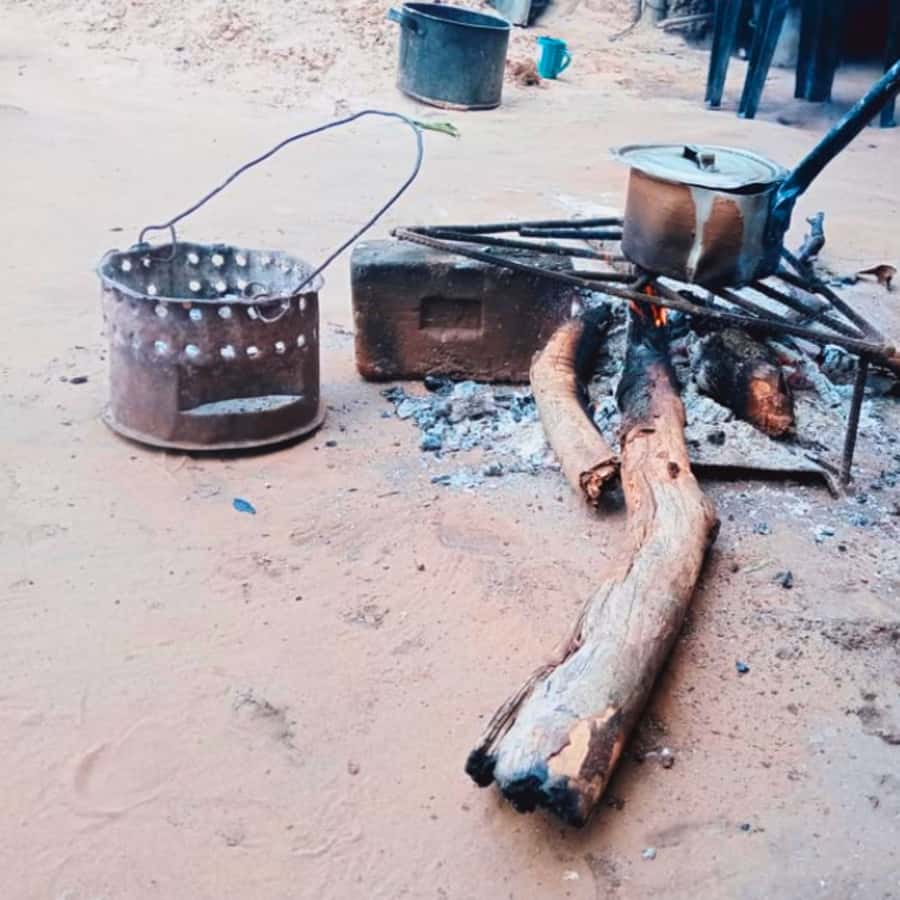
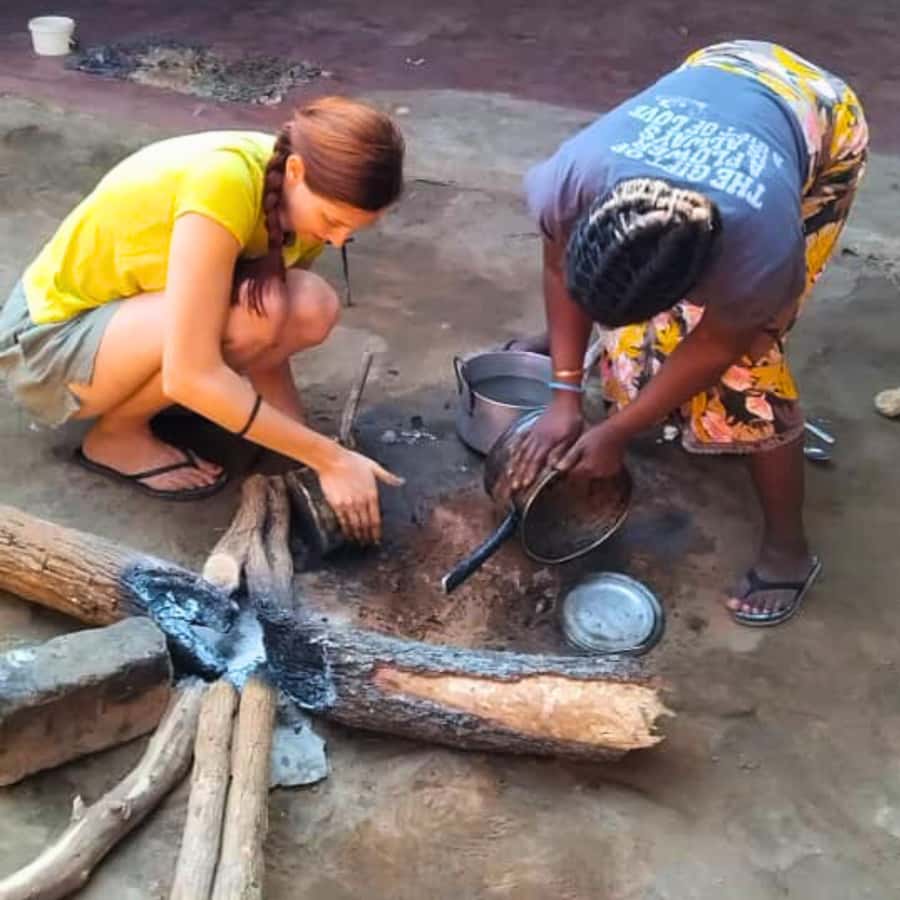
Lunch is not a packaged lunch in a plastic box. You’ll cook and eat a local lunch as part of the experience, with food that’s handcrafted for the day.
I love lunches like this for one reason. Food is the fastest way to understand daily life. You’ll talk while you eat, and the meal naturally becomes part of the conversation, not something separate from it.
The experience is also a reminder that “traditional” is not a museum label here. This is real work and real cooking, done for guests and for the village itself. You’ll likely see that reflected in how your hosts pace the day.
Diet notes: the tour data doesn’t specify dietary options. If you have dietary restrictions, message the operator before you go and ask what’s possible.
Coffee, tea, and the cultural dance that ties it together
After lunch, you’ll have coffee & tea, then enjoy a beautiful cultural dance of Zambia. This is when the day often shifts from learning mode to celebration mode.
The dance is more than performance. It’s a way of explaining culture through movement, rhythm, and community energy. If you’re unsure what to do during a dance, watch the people around you and let your guide indicate what’s appropriate.
If you’re the kind of person who likes to take home something practical, ask about the Lozi words you learned and try to connect a few phrases with what you saw and heard during the dance. That’s when language starts to stick.
One small practical note: coffee and tea are listed as included, but on some occasions people have not received it as expected. If coffee and tea matter to you, it’s worth confirming at pickup that your day includes it as described.
Sunset canoe ride: a peaceful finish with real river context
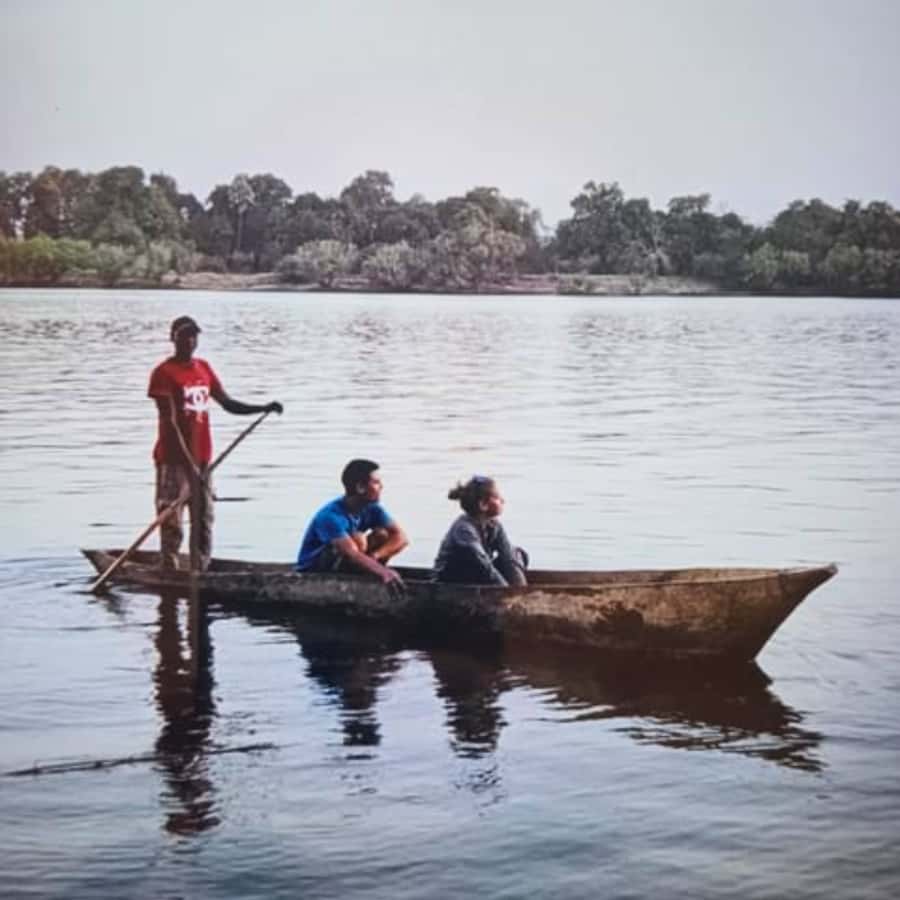
The tour ends with a sunset canoe ride. This is one of those “save your energy for the end” moments, because it’s a calmer, scenic shift after a busy village half-day.
The canoe ride is a wooden canoe on the Zambezi River. Wildlife like hippos and crocodiles is possible in this area, and it’s part of why the river feels alive even when the water looks calm.
A practical consideration: a wooden canoe can feel basic compared with larger boats. If you’re sensitive to stability or easily get splashed, bring a mindset for that. In real life, you might need to stay balanced and prepared for small splashes during the ride.
My best advice is to dress for comfort and movement. Wear footwear you don’t mind getting damp if needed, and keep your phone secured. Then just enjoy the light change as the sun drops, because that’s when the Zambezi feels most magical.
Price and value: is $68 a fair deal?
At $68 per person for about 7 hours, this sits in a midrange zone for Livingstone area cultural experiences. The value comes from three places, not just one.
1) Impact: the profits from the village tours go to Tusoleke Trust School. That turns your payment into something you can connect to a real local project.
2) Time and content: school visit, village walk, lunch, alcohol-making learning, language practice, dance, and a sunset canoe ride all fit into one day.
3) Hosting quality: multiple accounts highlight how welcoming Alex and his family are, and how the day feels personal.
The main value check for you is the heat and the 7-hour length. If you know you struggle with long outdoor days, you might find it less satisfying. If you like hands-on cultural time, it’s a strong buy because you’re not just getting a show, you’re getting context and conversation.
What to bring for comfort, safety, and not-running-out-of-energy
The tour gives a clear packing list. Follow it, especially the water advice.
Bring:
- Water: enough for the whole trip
- Sunscreen: you’ll be outdoors
- Rain gear: weather can change fast
- Biodegradable insect repellent: protects you during village and riverside hours
Optional, but smart:
- A hat or sunglasses if you’re prone to sunburn
- A small towel or dry clothes for after the canoe ride
- A light layer for later if the air cools near sunset
Also, you’ll be picked up from your hostel or hotel lobby. Try to be ready about 10 minutes early so you start on time.
Who this tour fits best
This is a great match if you want:
- A hands-on culture day with locals, not just a photo drive
- A school-connected visit where your money supports education
- The full package of village walk, lunch, dance, and a canoe sunset
It might be less ideal if:
- You hate long, hot outdoor periods and need a shorter format
- You prefer modern comfort over simple wooden canoe rides
- You want a strict schedule with minimal waiting, because village days can include more conversation and fewer stopwatch moments
If you fall into the “I like real connections” camp, you’ll likely enjoy this a lot.
Should you book this Muke Village and canoe day trip?
I’d book it if you’re in Livingstone and you want a cultural day that feels grounded in community life, with clear support for Tusoleke Trust School. The combination of village walking, handcrafted lunch, a cultural dance, and a sunset canoe ride is exactly the kind of mix that makes the day feel full.
Just go in prepared for the heat and the outdoor timing. Bring your water, pack insect repellent, and wear something you can move in. If you do that, you’ll get the main payoff, you’ll leave with stories, not just photos.
FAQ
How long is the Muke village and dance experience?
It lasts about 7 hours.
Where is the tour located?
It takes place at Muke village near Livingstone, around 20 minutes away, and includes time on the Zambezi River.
What is included in the price?
Transportation to and from Livingstone, a local tour guide (English), village walk, traditional lunch, learning how local alcohol is made, coffee and tea, visiting Tusoleke Trust School, learning Lozi words, and a sunset canoe ride.
Is water included?
No. You need to bring water for the whole trip.
Do I get to see traditional village life?
Yes. You’ll visit Muke village, see traditional buildings, and learn how they’re built, along with a village walk and explanations about life there.
Will there be a culture dance?
Yes. After coffee and tea, you’ll enjoy a cultural dance of Zambia.
Is the school visit always the same?
You visit Tusoleke Trust School as part of the day, but what you see can depend on what’s happening at the school that day.
Are animals likely to be seen?
It’s possible to see nice animals like hippos, lions, elephants, or crocodiles, depending on conditions.
Is this tour private?
Yes, it’s described as a private group.
What should I bring besides water?
Bring sunscreen, rain gear, and biodegradable insect repellent.
Latest write-ups from Livingstone
- Victoria Falls National Park: Horseback Safari★ 5.0 · 3 reviews
- Victoria Falls and Mukuni Village Visit★ 4.8 · 4 reviews
- Safari Drive & Rhino Walks in Mosi-oa-Tunya National Park★ 4.6 · 5 reviews
- GUIDED TOUR OF THE VICTORIA FALLS ON THE ZAMBIAN SIDE★ 5.0 · 3 reviews
- From Livingstone: Full or Half Day Canoe Safari★ 4.3 · 4 reviews
- Cultural And Village Tour★ 4.1 · 4 reviews
- Victoria Falls: Night Game Drive and 3-Course Bush Dinner★ 4.4 · 27 reviews
- Full Day White Water Rafting Tour★ 4.9 · 42 reviews
Village & Township Tours, compared.
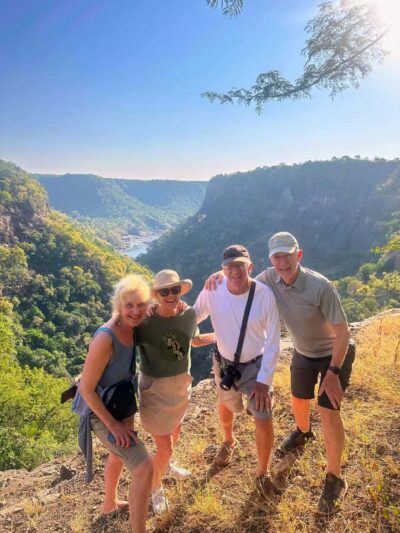
Victoria Falls Gorge Hike & Farm to Table Village Lunch
Read our review →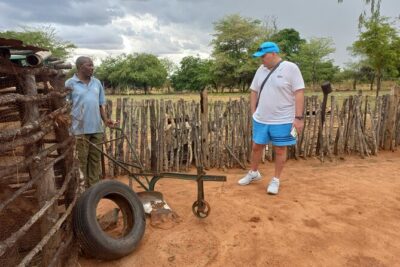
Victoria Falls Rural Tour: Village Life Experience
Read our review →
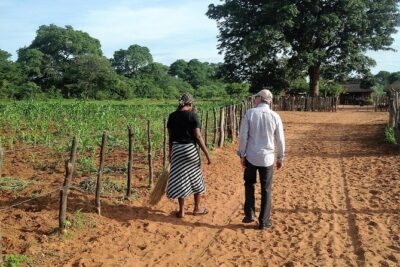
Cultural Village Tour,Interacting With the Communal Villagers (Educational Trip)
Read our review →
Browse the lists this tour appears in