
Reviewed · VILLAGE & TOWNSHIP TOURS
African Village Tours
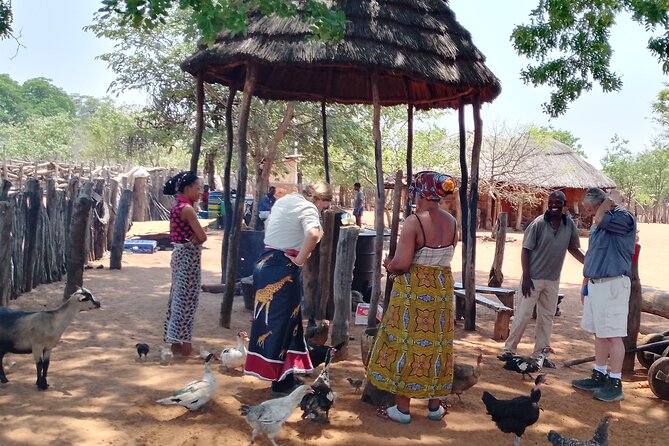
What makes this village tour interesting is that it takes you out of the Victoria Falls township bubble and into everyday life in the African bush. I like the practical way it explains how work gets shared by gender and age, and I like that you learn village traditions through real conversations, including traditional recipes and community routines guided by people from Intondolo Safaris and Tours, such as Colum.
One consideration before you book: this is an education-focused cultural visit, not a fast photo-op. You should expect a conversation-style experience where respect matters, especially around kids and household topics, and you will spend part of your time just getting from town to the village area.
Key things that make this tour worth your time
- Private guide and vehicle mean you can ask questions without being rushed.
- Daily life, broken down by gender and age, gives you a clearer picture than generic culture talk.
- Women’s domestic routines and men’s veld duties are explained in a grounded, real way.
- Traditional recipes are part of the teaching, so you leave with something useful to remember.
- Social time with villagers, including school kids, helps the visit feel human and connected.
- Small group size (up to 15) keeps it from turning into a crowd experience.
A village visit that feels like life, not a performance
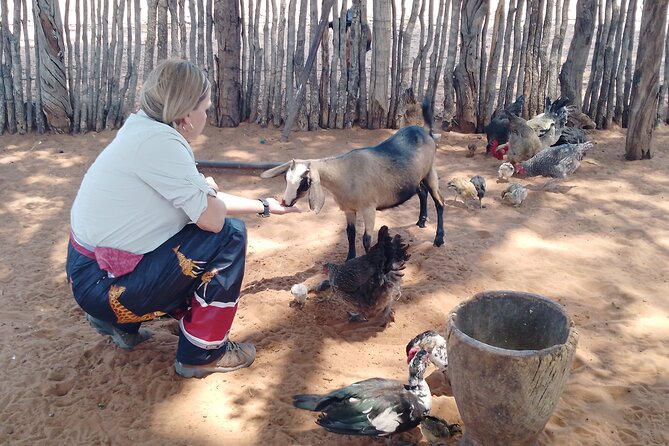
If you are coming through Victoria Falls and your main interest is culture, this is the kind of outing that makes the region feel more complete. You are not just hearing about Zimbabwe from a distance. You are stepping into a smaller community setting where people talk about routines, chores, and how families keep a home running.
What I appreciate here is the emphasis on everyday details: who does what, how responsibilities shift with age, and what daily life looks like away from town. It is the difference between hearing culture as a slogan versus learning it as real practice.
Also, the tone matters. In a note from the organizers, Colum is specifically thanked for meeting village school kids and the community, with the message that the visit supports goals around serving disadvantaged people. That kind of framing usually means you are meeting people, not consuming a staged show.
More Village Tours in Victoria Falls
- From Victoria Falls: Zimbabwe Traditional Village Tour
★ 4.5 · 57 reviews - Victoria Falls Rural Tour: Village Life Experience
★ 4.5 · 15 reviews - Victoria Falls Gorge Hike & Farm to Table Village Lunch
★ 5.0 · 15 reviews
Price and value: what $50 gets you (and what it does not)
At $50.00 per person for an approximately 2 hours 30 minutes tour, the price is fairly simple. You are paying for a private cultural experience, including a guide and your own vehicle, plus the time to travel out of town and spend it with villagers.
Here is the value angle I think you should pay attention to: you are not paying for a long, complicated itinerary with lots of stops. You are paying for a focused interaction with one community. That can be a good deal if your goal is understanding how people live, not bouncing between checkpoints.
What is not included is also part of your planning. Gratuities are optional and left to your discretion, so if you think guides deserve a tip, build that into your budget.
And one more practical note: the tour is relatively affordable for a private setup, which often means the experience depends heavily on the quality and commitment of the guide and driver. The good news is that Colum is called out by name in the community thank-you, suggesting you are likely to get someone who takes the interaction seriously.
Getting from Victoria Falls: pickup, travel time, and keeping expectations realistic
This tour is based in Victoria Falls, Zimbabwe, and pickup is offered. You also get a mobile ticket. If you are the kind of traveler who hates paperwork, that is a nice touch.
Plan your timing with the full 2 hours 30 minutes in mind. Even though the visit is short, it includes time for getting out of town to the village area and returning. That matters because village life is not something that happens in a neat, timed tourist slot. You are joining people for a slice of their day.
The tour also has a maximum of 15 travelers. Even though it is described as private, this cap suggests the operator still keeps things controlled. For you, that usually means less crowd pressure and more time for questions.
The first stage: meeting at Intondolo Safaris and Tours
The experience is organized through Intondolo Safaris and Tours, and your tour starts from their end (listed as Stop 1). Think of this as the setup moment where you connect with the guide and get oriented before heading into the village area.
This part matters more than it sounds. When a cultural visit is handled well, the first conversation shapes the entire tone. You want the visit to feel like learning and relationship building, not like you are breaking into someone’s life.
From what the tour describes, the guide role is central. You are there to learn about how daily life runs, including the division of responsibilities between men and women, and the role of age in household work. A good guide will help you ask better questions and avoid the common mistakes of tourists who do not know where to start.
Other community visits run the same way:
- Horse Riding Community Village Tour Experience
★ 5.0 · 13 reviews - Victoria Falls: Chinotimba Township Tour with a Local Guide
★ 4.7 · 9 reviews - Victoria Falls Cultural Private Village Tour
★ 4.0 · 9 reviews - Cultural Village Tour,Interacting With the Communal Villagers (Educational Trip)
★ 4.5 · 7 reviews
Inside the village: chores, daily routines, and what daily life actually means
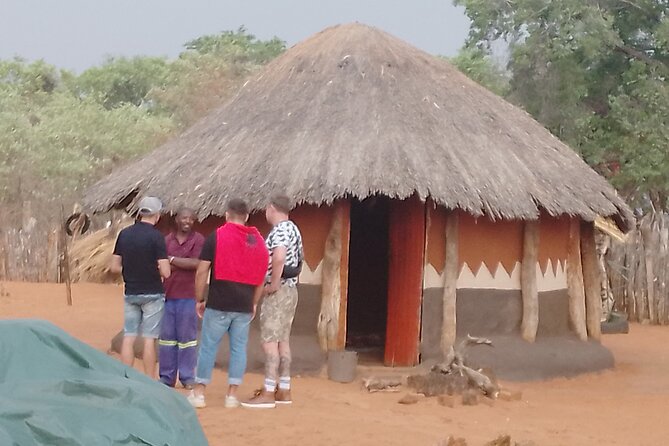
Here is the heart of the tour: you go out of the township and visit a small Zimbabwean village to learn about life in the African bush. This is where the trip stops being abstract.
How work is divided by gender and age
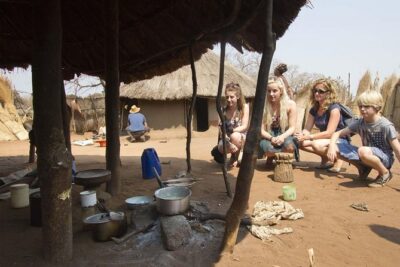
The tour focuses on domestic and outdoor responsibilities and how they are shared. Women are described as doing most of the domestic work. Men are described as handling the harder duties, often out in the veld, including small-scale hunting for rabbits and herding cattle away from predators like lions and hyenas.
That combination is one reason the tour is more informative than a generic culture walk. You get a realistic picture of the everyday practical side of living in a place where people must think about both home and land.
One word of caution, though: these are topics tied to survival and risk. Keep your tone respectful and avoid turning it into a thrill story. If you ask questions, ask them to understand how people manage, not to sensationalize.
What daily life looks like for men, women, and children
The tour is not only about adults. It includes how the village works for men, women, and children. That matters because family life is a system, not separate roles in isolation.
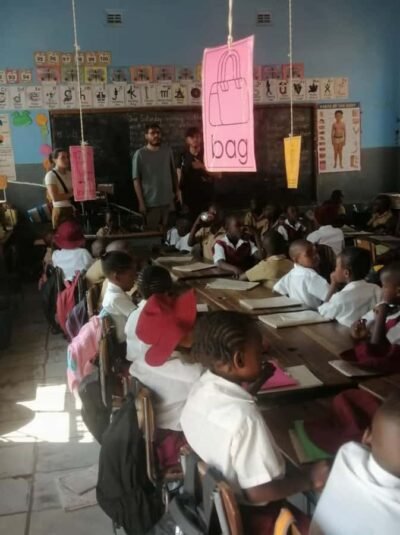
You should expect social time, meaning you will likely spend time chatting with villagers rather than just listening from a distance. In a thank-you message tied to the program, the community specifically mentions meeting village school kids. That suggests part of the experience includes interaction with children, which can be both meaningful and emotionally intense if you are not prepared.
If you are traveling with a sensitive heart, plan to go slow. It is better to be present than to rush through the emotional moments.
Traditional recipes as a learning tool
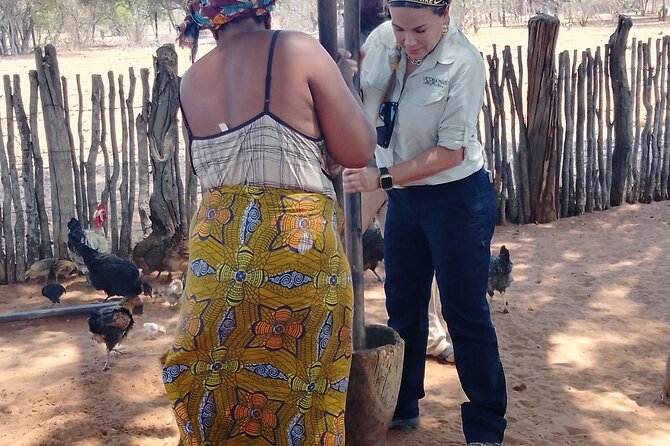
Food is a strong way to learn a culture because it is tied to daily choices. This tour includes traditional recipes as part of the teaching.
Even if you do not cook anything yourself, you still come away with a different kind of memory than you get from photos. Recipes are practical, and practical knowledge is what helps the experience stick. You may leave thinking about ingredients, cooking rhythms, and what people eat based on what the environment provides.
This is also why the tour works well as a short outing. You get one focused theme, daily life and food traditions, instead of trying to absorb everything at once.
Socializing with villagers: how to make it respectful and rewarding
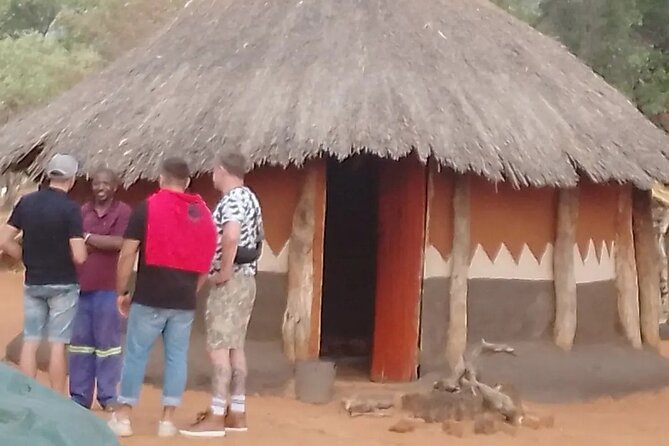
The highlights talk about socializing and making new friends. That is not just feel-good language. In real terms, it means you are likely to talk, listen, and respond.
Here is how to make the interaction go well:
- Ask clear, simple questions about daily routines, then follow up only if invited.
- Be mindful with photos, especially around kids and home spaces. When in doubt, ask first.
- Keep your body language calm and non-rushed. You are in someone’s community, not on a safari drive.
- If you bring small conversation topics like school or family life, keep them light and avoid prying.
If you want the experience to feel like an exchange, not an observation, your attitude is the biggest variable you control. A good guide can help steer you, but you will still set the tone.
Timing and what sunrise to evening really means for a 2.5-hour visit
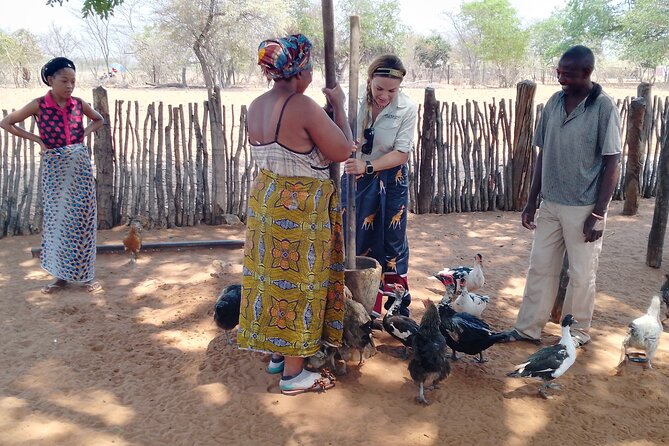
The description notes village routines from sunrise to evening, which sounds like a full-day immersion. But your actual visit is about 2 hours 30 minutes.
So treat the tour like a snapshot. You are seeing a portion of the day, not the entire rhythm. The benefit of a shorter tour is that it is easier to fit into a Victoria Falls schedule. The tradeoff is that you will not witness everything.
To get the most out of your limited time, pick one or two themes you care about. For example:
- household work and how it is organized
- food and traditional recipes
- how daily responsibilities connect to the surrounding landscape and animals
Then let your guide steer the conversation there.
Who this tour suits best, and who might want a different plan
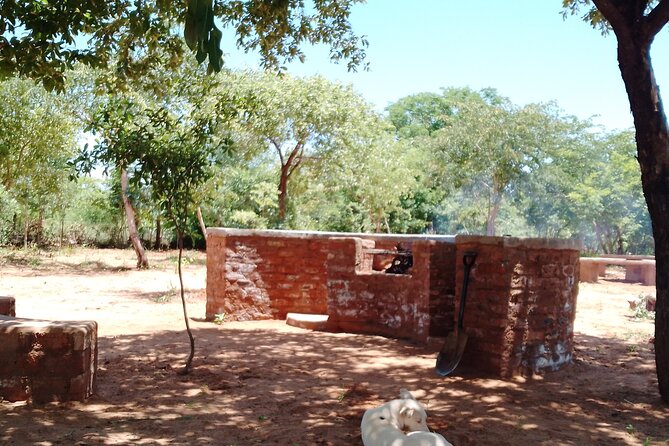
This outing suits travelers who want culture that is lived, not performed. It is a good fit if you like learning from people, asking questions, and leaving with a sense of how a community organizes daily life.
You will also like it if you appreciate context. The explanations about tasks, hunting for rabbits, herding cattle away from predators like lions and hyenas, and domestic routines give you a picture of how people adapt to the environment.
Who might hesitate? If you are uncomfortable with intimate conversations or you hate any chance of emotional moments around children, this may be harder than a standard sightseeing tour. This is not designed to be carefree. It is designed to be educational and human.
Practical planning: small group size, private setup, and mobile ticket
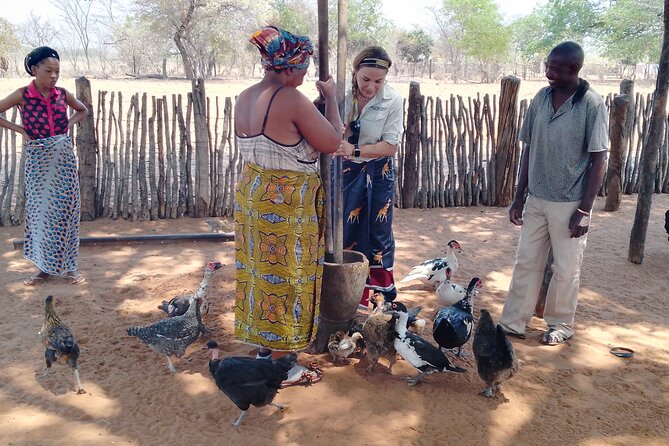
A few logistics details help you plan confidently. The tour has a maximum of 15 travelers. That is important for attention and comfort, especially in a village setting.
Pickup is offered, which reduces hassle in Victoria Falls. You also get a mobile ticket, which is convenient if you are already juggling plans with guides and local transport.
Also, the tour is noted as near public transportation. Even if you are not using that option, it usually means the operator is not hiding the meeting point in a remote puzzle.
Should you book African Village Tours from Victoria Falls?
I think you should book this tour if your top priority is learning how people live, work, and eat in a real Zimbabwean village setting. The private guide and vehicle setup is key, and the focus on daily chores by gender and age plus traditional recipes gives you substance.
Book it especially if you value respectful interaction and you are happy to spend your time talking and listening more than snapping photos. The program’s stated goal of meeting school kids and supporting disadvantaged community members makes it feel like more than a checklist stop.
I would skip it only if you want a low-emotion, entertainment-only outing, or if you dislike the idea that rural life includes serious realities like predator risk. This tour talks about those topics directly as part of daily duty.
FAQ
Where does the African Village Tours experience take place?
It takes place in Victoria Falls, Zimbabwe.
How long is the tour?
The duration is approximately 2 hours 30 minutes.
How much does it cost?
It costs $50.00 per person.
Is pickup offered, and do I get a mobile ticket?
Yes, pickup is offered, and the experience includes a mobile ticket.
Is this tour private?
Yes, it is described as a private tour, and it uses a private guide and vehicle. The maximum group size is 15 travelers.
Are gratuities included in the price?
No. Gratuities are not included. They are optional and based on your discretion or donation.
What is the cancellation cutoff for a full refund?
You can cancel up to 24 hours in advance for a full refund. If you cancel less than 24 hours before the start time, the amount paid is not refunded.
Latest write-ups from Victoria Falls
- Zambezi Sunset Cruise In Victoria Falls★ 4.5 · 3 reviews
- Victoria Falls: Whitewater Rafting + Chobe Safari Combo★ 5.0 · 3 reviews
- Shearwater Bungee Jump Victoria Falls Bridge★ 5.0 · 3 reviews
- Victoria Falls and Harare Airport Transfers and Car Rentals★ 4.0 · 3 reviews
- Guided Tour Of The Majestic Victoria Falls/Sunrise Tour★ 5.0 · 3 reviews
- Full Day Birding Zambezi National Park Includes Picnic Lunch★ 5.0 · 3 reviews
- Two Days/One Night Rafting Tour★ 5.0 · 3 reviews
- Zambezi River: Kid-Friendly Whitewater Rafting★ 5.0 · 3 reviews
Village & Township Tours, compared.
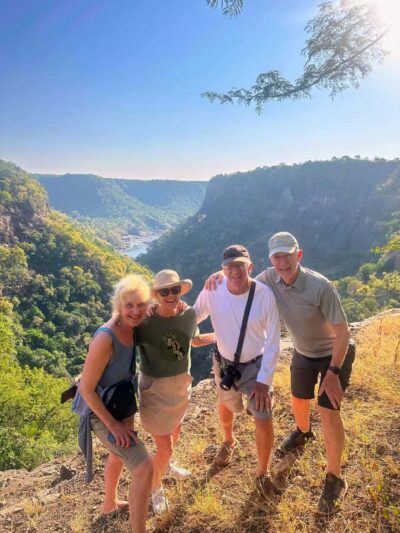
Victoria Falls Gorge Hike & Farm to Table Village Lunch
Read our review →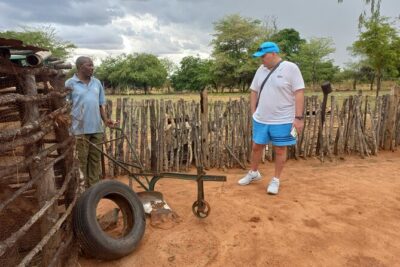
Victoria Falls Rural Tour: Village Life Experience
Read our review →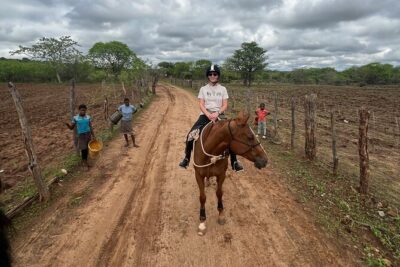
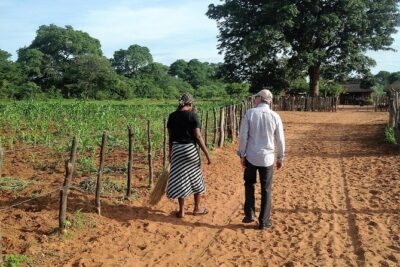
Cultural Village Tour,Interacting With the Communal Villagers (Educational Trip)
Read our review →
Browse the lists this tour appears in