
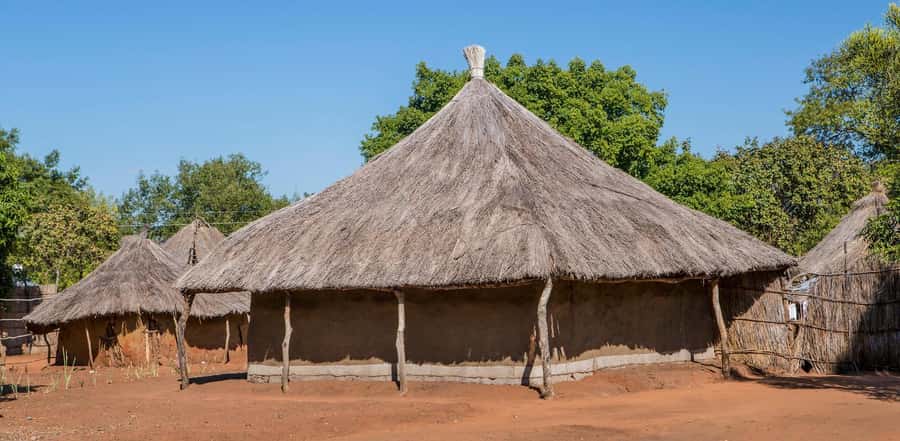
Reviewed · VILLAGE & TOWNSHIP TOURS
Cultural And Village Tour
What makes this tour interesting is the chance to spend a short, focused time inside Mukuni village, learning Leya customs through hands-on village life. I like that it mixes craft village visits with the human side of the experience, meeting elders and hearing local perspectives. I also like that it is built for people who want a compact outing, not a half-day mission. One consideration: in practice, the on-village time can feel tight in a total 2-hour tour, so you should ask what is included beyond the craft and food basics.
You’ll likely see the craft village area, spend time talking with community members, and get a chance to taste traditional food. The small group setup is another plus because you can ask questions and move at a pace that feels less rushed. And yes, the tour is designed to be interactive, with cultural activities and village visits mentioned in the tour description.
The main drawback to watch for is expectation vs timing. The description mentions activities like school or clinic visits and cooking or dance practice, but with a short schedule and quick transfer time, you may not see every listed activity. Plan to communicate clearly before you go, and keep your priorities straight.
Key Points Worth Knowing Before You Go

- Small group, limited to 2 participants, so you can ask more questions and get more direct answers
- Craft village time gives you a real look at local making, not just a photo stop
- Meet the village elders, which is usually the most meaningful part of cultural visits
- Traditional food is part of the deal, and tasting is where understanding becomes real
- Return transfers plus drinks and snacks included, but confirm when they are served
- 2 hours total means you’ll want to arrive with clear questions about what you’ll see
Mukuni Village With the Leya People in 2 Hours: A Practical Cultural Hit
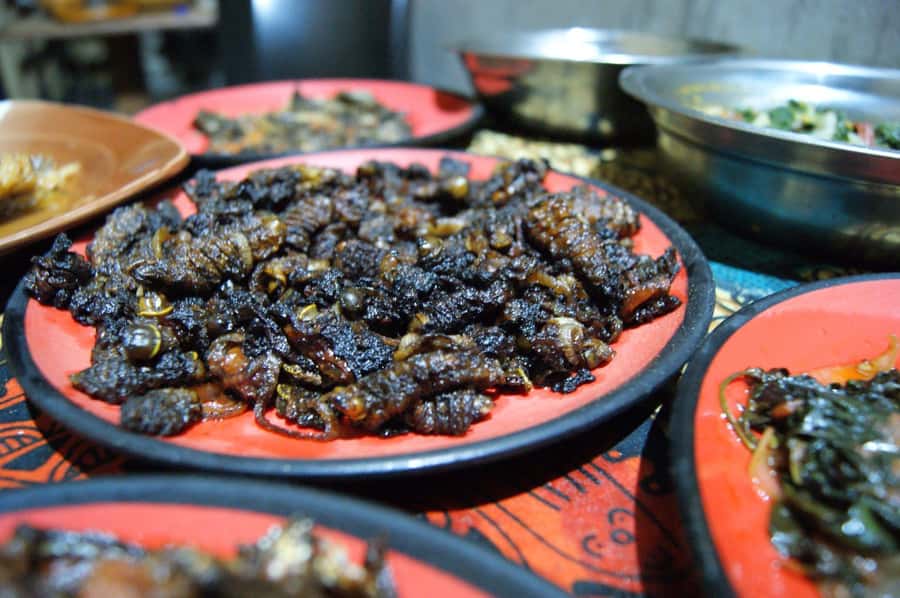
This is the kind of tour I think works best when you want culture without turning your day into a calendar puzzle. You spend a short block of time with the Leya community in and around Mukuni village, with a plan that centers on crafts, elders, and traditional food. If you like asking questions and learning how daily life works, you’ll get a lot from a small-group format.
The big advantage here is the human focus. “Culture” can sound abstract. On this tour, it becomes concrete through conversations and everyday practices, especially when you have time to meet elders and talk about traditions in a direct way. That is what makes the experience feel less like sightseeing and more like a guided introduction to village life.
The time limit also shapes the experience. With only 2 hours total, you are going to have to pick what you want most. If your priority is a craft demonstration and elder conversation, you’re in good shape. If your priority is a longer, more activity-heavy schedule like cooking sessions or school visits, you may need to confirm exactly what will happen on your day.
Other community visits run the same way:
- Livingstone: Amazing Traditional Village & Dance Culture
★ 4.8 · 7 reviews - Victoria Falls and Mukuni Village Visit
★ 4.8 · 4 reviews - From Victoria Falls: Zimbabwe Traditional Village Tour
★ 4.5 · 57 reviews
Getting There From the Victoria Falls Region: Confirm the Pickup and Country Details
The tour is listed for Matabeleland North, Zimbabwe, but the description also frames Mukuni village as being near Victoria Falls, in the direction of Zambia. That matters because cross-border regions can mean different pickup points depending on the operator and local logistics.
So here is my practical advice: before you go, confirm the pickup location and the route plan with the operator. Ask one simple question, where will we start and where will we be dropped? You do not need a long explanation. You just need clarity so you can manage your time and avoid surprises.
One detail that can affect your experience is how long you actually spend on the road. In some cases, the drive can be pretty short, around 15 minutes each way. If that is your day, you get more village time. If the drive is longer, the village segment can shrink further, and you’ll feel it.
Inside the Craft Village: Where You Learn by Watching and Asking
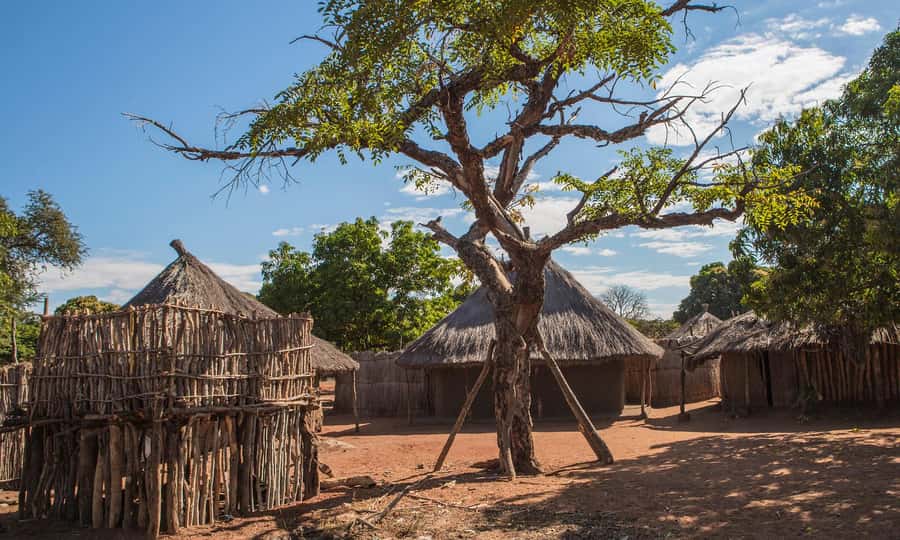
A craft village stop is one of the strongest reasons to book this tour. Crafts are practical. They connect materials, skill, and daily needs. They also give you something easy to ask about: how something is made, what tools are used, what takes the most effort, and who learns these skills first.
On this tour, the craft element is not just decorative. It’s part of how you understand local traditions. You get the chance to see the making, and you can usually ask questions that lead to deeper conversation. This is where a small-group experience helps. With only a couple of participants, the guide can give you more attention, and you can ask follow-ups without feeling like you’re holding up a big group.
A practical tip: bring your curiosity, but also bring your patience. Village craft experiences are not like a showroom. Expect real people, real workflows, and the occasional moment where you need to wait while someone finishes a task. If you treat it like a hands-on conversation instead of a quick photo stop, you will enjoy it more.
Meeting the Village Elders: The Most Meaningful Part If You Let It Be
The highlight that often matters most on cultural tours is not the buildings or scenery. It’s the conversation with elders. This tour specifically mentions you’ll have the opportunity to meet village elders, which can turn your visit from a quick tour into an exchange of perspectives.
When elders are part of the program, you should expect the talk to be broader than “here is what we do.” You might hear about beliefs, traditions, and community life. Even if your questions start simple, you’ll often get answers that connect daily routines to culture.
How to get more from this part:
- Go in with 2 or 3 questions. Keep them open-ended.
- Ask how traditions are taught to younger people.
- Ask what has changed and what has stayed the same over time.
Also, be mindful about tone. This is a community moment, not a performance. If you treat it with respect, you’ll get more direct answers and a better vibe from the people you meet.
A few more Livingstone bookings for the same stretch of days
- From Victoria Falls: Livingstone Island Tour & Devils Pool
★ 4.6 · 235 reviews - Victoria Falls: Scenic Microlight Flight
★ 4.6 · 82 reviews - Livingstone: Zambezi River Sunset Cruise
★ 4.6 · 71 reviews - Victoria Falls Helicopter Flights
★ 4.8 · 62 reviews
Traditional Food and Cultural Activities: What You Might See, What You Should Ask
Traditional food tasting is part of what the tour offers, and it is usually where people feel the experience most directly. Food is personal. It’s also a strong doorway to culture, because you can learn how ingredients are sourced, how meals are prepared, and what foods matter locally.
The tour description also points to interactive cultural activities. It mentions possibilities like cooking traditional meals and practicing traditional dances. It even mentions visits to local schools and clinics, which is a meaningful way to understand daily life beyond the village center.
Here is the catch, and it’s worth saying plainly. With a 2-hour total duration, you may not see every listed activity. Even when the description includes multiple experiences, short schedules can compress the day. If your goal is specifically to see something like a school or to watch cooking in action, do not rely on it happening automatically.
Before you book, or before you start the tour, ask your guide:
- Will we have time to see the craft village and the elder meeting, and also the additional activities listed?
- Are drinks and snacks served during the visit, or only after?
This is not being picky. It’s being practical. And it will help you avoid frustration if your schedule gets tight once you arrive.
Timing and Group Size: Why the 2-Hour Format Feels Either Perfect or Too Short
The tour is designed as a small outing, and it can be a great fit for many people. It is limited to 2 participants, which is unusual compared with bigger group tours. That small size can improve everything: your questions, your comfort level, your pacing, and even how attentive the guide can be.
But the flip side is simple math. Two people means there is no “filling time” with other participants, and the entire plan still has to fit into 2 hours. So you might notice that the time inside the village feels short. If your drive is brief, that’s fine. If the drive takes longer, or if the guide spends more time talking at the elder meeting, the craft and food segments can feel more compressed.
My recommendation: treat this as an introduction. If you want a deep, multi-activity cultural day, you might need a longer option or a follow-up visit to the village area. If you want a focused taste of village life with direct interaction, this is a solid length.
Price and Value at $40: What Makes It Fair, and What to Watch
At $40 per person for 2 hours, this tour can offer good value, especially because it includes return transfers plus drinks and snacks. In many travel areas, paying separately for local transport and refreshments quickly pushes the total cost up. Bundling them helps you keep spending under control.
The small group limit to 2 participants is another value signal. Larger groups can be cheaper, but you usually trade away time to ask questions. Here, you’re paying for a more personal guide interaction, which is often the real currency on cultural tours.
Still, value depends on delivery. Since drinks and snacks are included, you should expect to receive them during the tour. And because the description mentions several possible activities, you should expect a clear explanation of what will happen on your day. If your time is only 2 hours total, the best “value test” is whether you get meaningful access to elders and a real craft and food encounter.
Who This Tour Suits Best (And Who Might Skip It)
This is a great match if you:
- Want a short cultural outing near the Victoria Falls region
- Prefer a small group over crowded tours
- Care more about conversation and seeing daily life than collecting a long checklist of stops
- Enjoy craft and cultural traditions, especially when you can ask questions
It may be less ideal if you:
- Want a packed day with school or clinic visits plus cooking and dancing, all guaranteed
- Get easily frustrated when a schedule runs tight
- Prefer longer stays where you can watch food prep or take part in multiple activities in depth
If you are flexible and willing to ask questions up front, you’ll likely enjoy it. If you are planning around a very specific activity, confirm first.
Booking Notes That Save You Stress
I would book this tour if you want a quick, guided cultural introduction with personal attention. I would hesitate only if your expectations are “every activity listed, in full detail,” because time is short.
When you confirm your booking, ask:
- What are the exact planned stops for my day?
- Will we definitely have time for the craft village and elders meeting, plus traditional food tasting?
- When are drinks and snacks served?
Those three answers do a lot to protect your time and your expectations.
Should You Book This Cultural and Village Tour?
Book it if you want a short, personal cultural experience in the Mukuni village area, with craft village access, time to meet village elders, and traditional food tasting within a 2-hour window. The $40 price can feel fair when you consider return transfers and refreshments are included, and when you get a guide in English for a very small group.
Skip it or upgrade your plan if your top priority is a longer list of activities like school and clinic visits plus cooking and dance practice all in one trip. In a tight schedule, you may not see everything stated in the description, so clear confirmation matters.
If you book, go with the right mindset. Treat it as an introduction to living culture, ask respectful questions, and focus on what you’re actually seeing in front of you. That is how this tour becomes memorable.
FAQ
How long is the Cultural and Village Tour?
The tour lasts 2 hours.
How much does the tour cost?
It costs $40 per person.
What is included in the price?
Return transfers are included, along with drinks and snacks.
Is there a live guide?
Yes, there is a live tour guide who speaks English.
What group size is it?
It is a small group limited to 2 participants.
Is the tour wheelchair accessible?
Yes, the tour is wheelchair accessible.
What languages are available?
The tour is available in English.
What cultural activities might I take part in?
The tour description mentions interactive options such as cooking traditional meals and practicing traditional dances, plus visiting local schools and clinics.
Where is the tour located?
It is listed for Matabeleland North, Zimbabwe, and the description also places Mukuni village near Victoria Falls in the Zambia region.
Can I cancel for a refund?
Yes. You can cancel up to 24 hours in advance for a full refund.
Latest write-ups from Livingstone
- Victoria Falls National Park: Horseback Safari★ 5.0 · 3 reviews
- Victoria Falls and Mukuni Village Visit★ 4.8 · 4 reviews
- Safari Drive & Rhino Walks in Mosi-oa-Tunya National Park★ 4.6 · 5 reviews
- Livingstone: Amazing Traditional Village & Dance Culture★ 4.8 · 7 reviews
- GUIDED TOUR OF THE VICTORIA FALLS ON THE ZAMBIAN SIDE★ 5.0 · 3 reviews
- From Livingstone: Full or Half Day Canoe Safari★ 4.3 · 4 reviews
- Victoria Falls: Night Game Drive and 3-Course Bush Dinner★ 4.4 · 27 reviews
- Full Day White Water Rafting Tour★ 4.9 · 42 reviews
Village & Township Tours, compared.
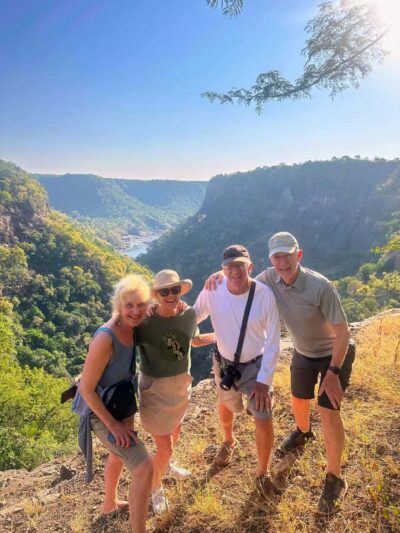
Victoria Falls Gorge Hike & Farm to Table Village Lunch
Read our review →
Victoria Falls Rural Tour: Village Life Experience
Read our review →

Cultural Village Tour,Interacting With the Communal Villagers (Educational Trip)
Read our review →

Browse the lists this tour appears in