

Reviewed · VILLAGE & TOWNSHIP TOURS
Livingstone: Amazing Traditional Village Tour
Livingstone has lots of wildlife and big-water drama. This tour is different, because you trade the usual view for daily life in a traditional Lozi village, just 20 minutes from town. You meet locals in Muke Village, walk through how things work, and hear stories first-hand from Alex Jakanani, vice-chair of the Simonga World Development Committee and founder of Tusoleke Trust School.
Two things I really like: you get real, personal interaction, including time to play with kids, and you also see the practical side of community life, from a school visit to learning how local buildings get built. One thing to consider: this is hands-on cultural learning and you need to bring your own water, since no water is included.
Key Highlights You’ll Actually Feel
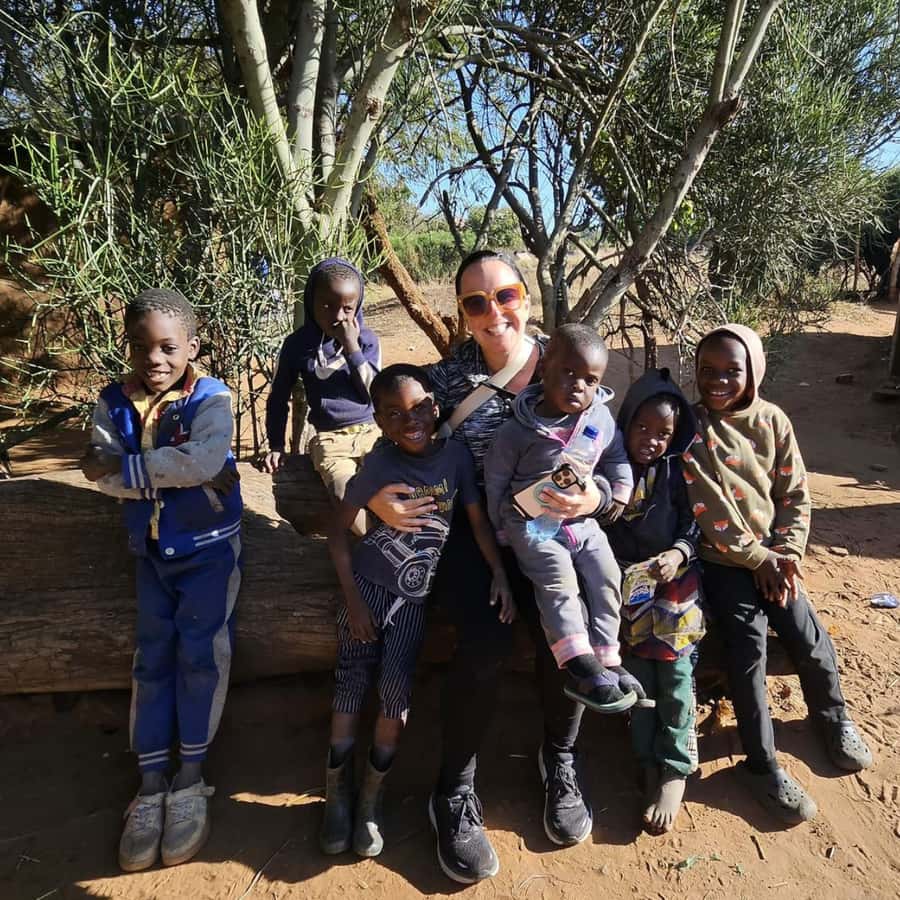
- Meet kids and spend time with friendly locals in Muke Village right from the start
- Alex Jakanani’s perspective as founder of Tusoleke Trust School makes the stories practical, not just sightseeing
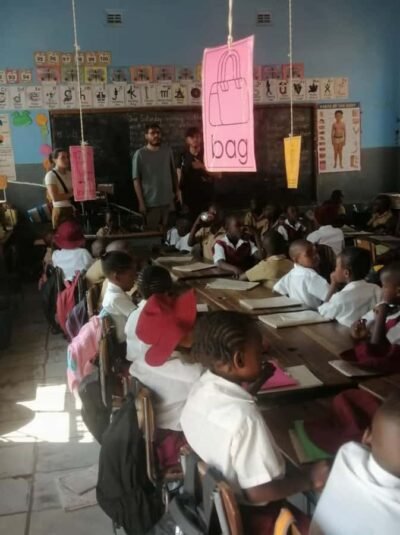
- School visit at Tusoleke Trust School, with a chance to see children sing and dance
- Learn Lozi words so you’re not just standing there nodding
- Traditional buildings and alcohol-making, explained in a way that connects daily life to tradition
- Coffee and tea included, a nice pause after walking around
Muke Village: A Traditional Lozi Stop Close to Livingstone
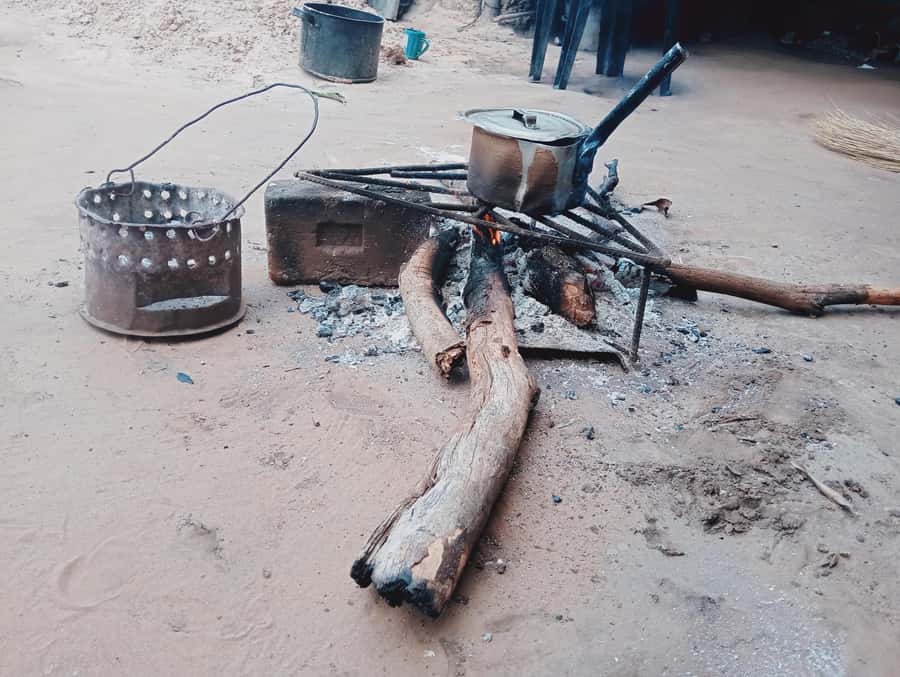
This is a traditional village tour built around one simple idea. You come for culture, not costumes. Muke Village is only about 20 minutes from Livingstone, so you’re not spending your half-day stuck in transit. You’re in the Zambezi River area, but the focus stays on people, homes, learning, and routines.
The tour also has a direct purpose. All profits from the village tours go toward helping Tusoleke Trust School. That matters because you’re not just buying a ticket and moving on. You’re supporting an education effort that’s connected to the community you’re visiting.
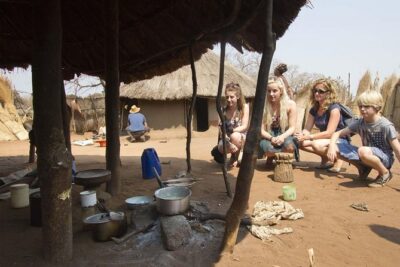
What you’ll get is a mix of conversation, walking, and small demonstrations. It’s not a long lecture. It’s more like being guided through how life works, with chances to ask questions and interact.
Other community visits run the same way:
- From Victoria Falls: Zimbabwe Traditional Village Tour
★ 4.5 · 57 reviews
Meet Alex Jakanani and Get Oriented Fast
Your guide is Alex Jakanani, and the reason that name matters is his role in the local effort. He’s the vice-chair of the Simonga World Development Committee and the founder of Tusoleke Trust School. That background shows up in the way he explains things: he can connect village life to the school, and the school back to the community.
Right away, you’ll get introduced to what life is like in a traditional Lozi village. You’ll also learn some Lozi words, which I love because it changes the experience. Suddenly you’re not only listening, you’re trying. Even a few words can make interactions feel less distant.
Expect a “village walk” style segment too. This is where the tour becomes more than a story. You’re moving through the area, noticing everyday details, and getting the context that you normally miss when you only see a place from outside.
A small practical note: this is a private group. That usually means you can ask more questions, and you’re not stuck waiting for a big group to catch up.
The Tusoleke Trust School Visit: More Than a Photo Stop
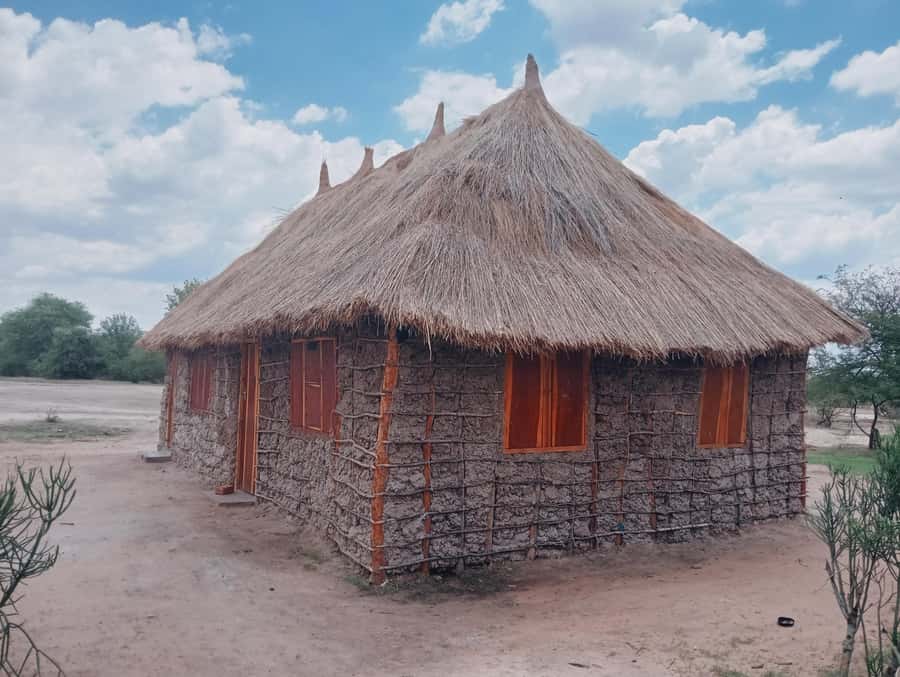
One of the most meaningful parts is the school visit to Tusoleke Trust School. This isn’t just a quick glance at a building. You go there to learn how the school fits into the village and its goals.
In the experience, you also get a window into student life. One booking specifically highlighted watching children sing and dance during the visit. That kind of moment can be powerful because it’s not “performance for tourists.” It’s school energy, shared openly.
Why that matters for you: a village tour can sometimes feel like a loop of houses, demonstrations, and then back to the car. The school stop anchors it. It reminds you that tradition and learning are happening together, not separately.
If you care about education impact, you’ll probably leave with a clearer feeling for where your money is going, since the tour profits support the school directly.
Traditional Buildings and How They’re Built
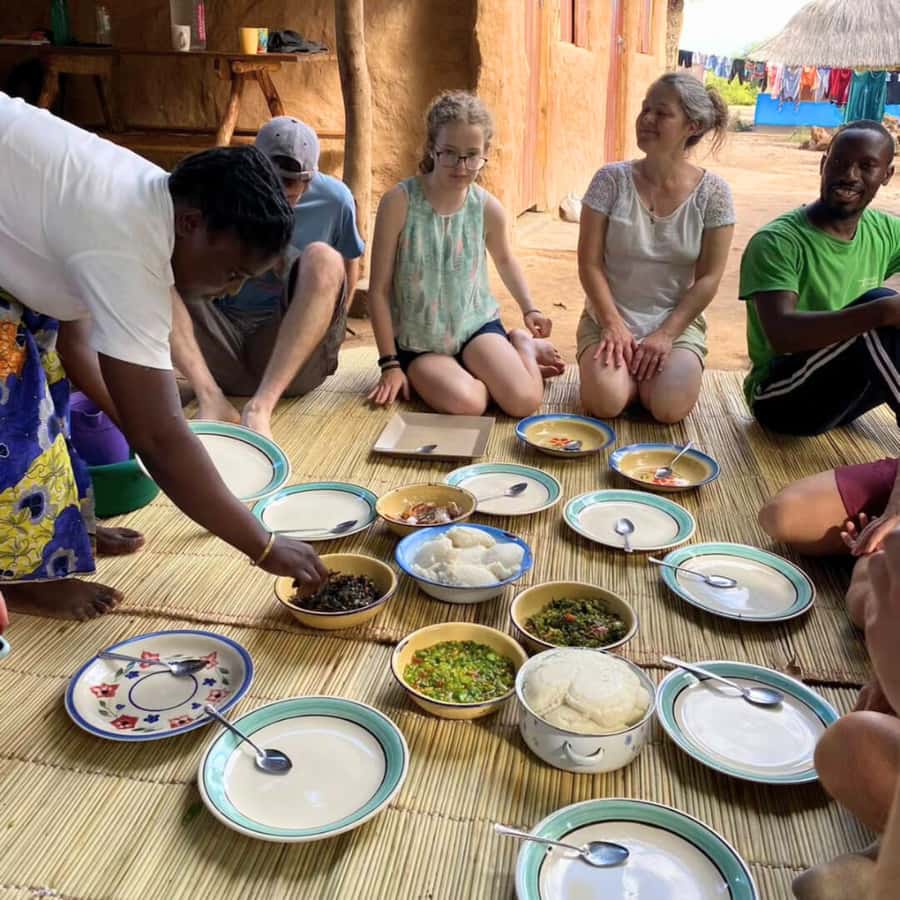
The tour includes time to see traditional buildings and learn how they get built. This is one of those topics where the value is in the explanation, not the view. You’re learning what shapes these homes, how people think about construction, and how the village environment informs building choices.
You might not know what questions to ask at first, and that’s normal. When you’re walking with a guide, you don’t have to act like an expert. Just listen for the “why.” When a guide explains materials, layout, and purpose, it helps you understand the logic behind what you’re seeing.
I like this part because it shifts your brain from “look at the scenery” to “understand how daily life is supported.” It also pairs well with the next highlight about local alcohol-making, because both are practical knowledge passed through community tradition.
Learning Local Alcohol-Making, Explained in Context
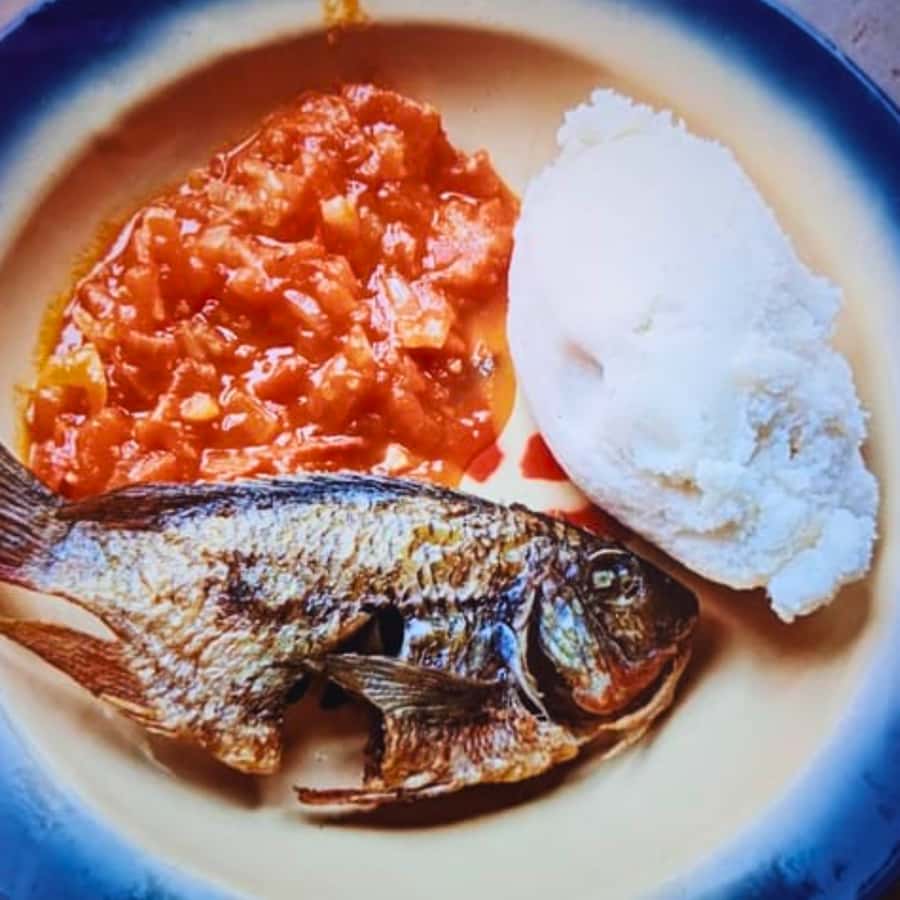
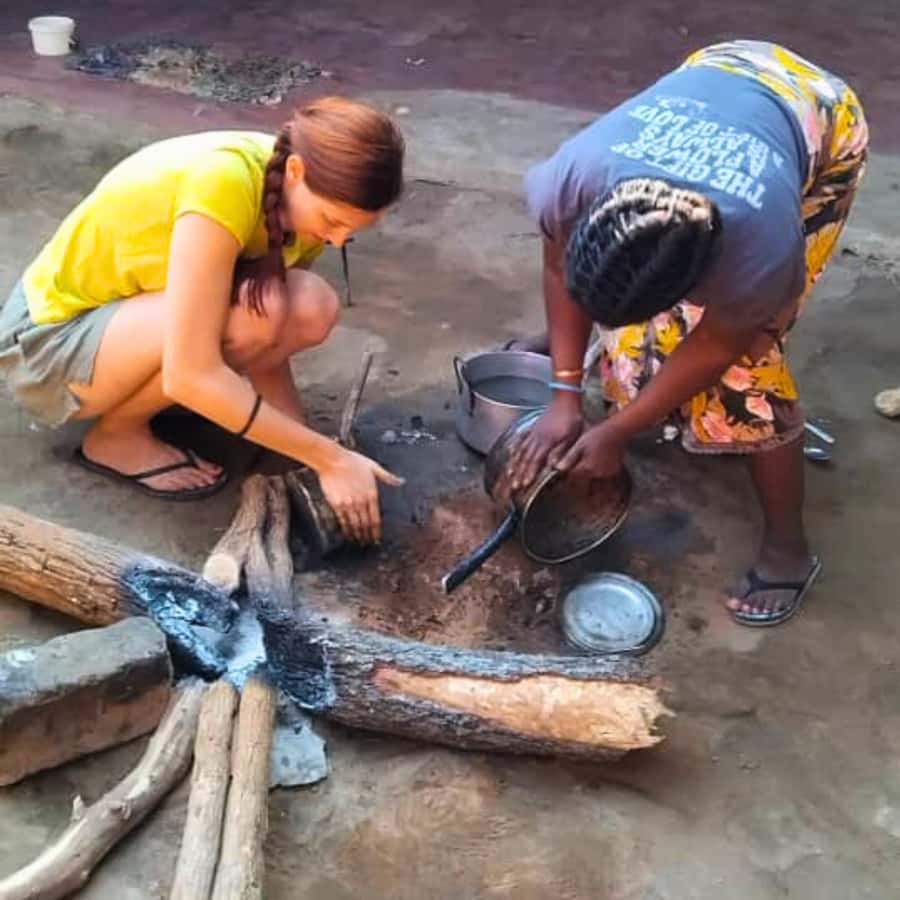
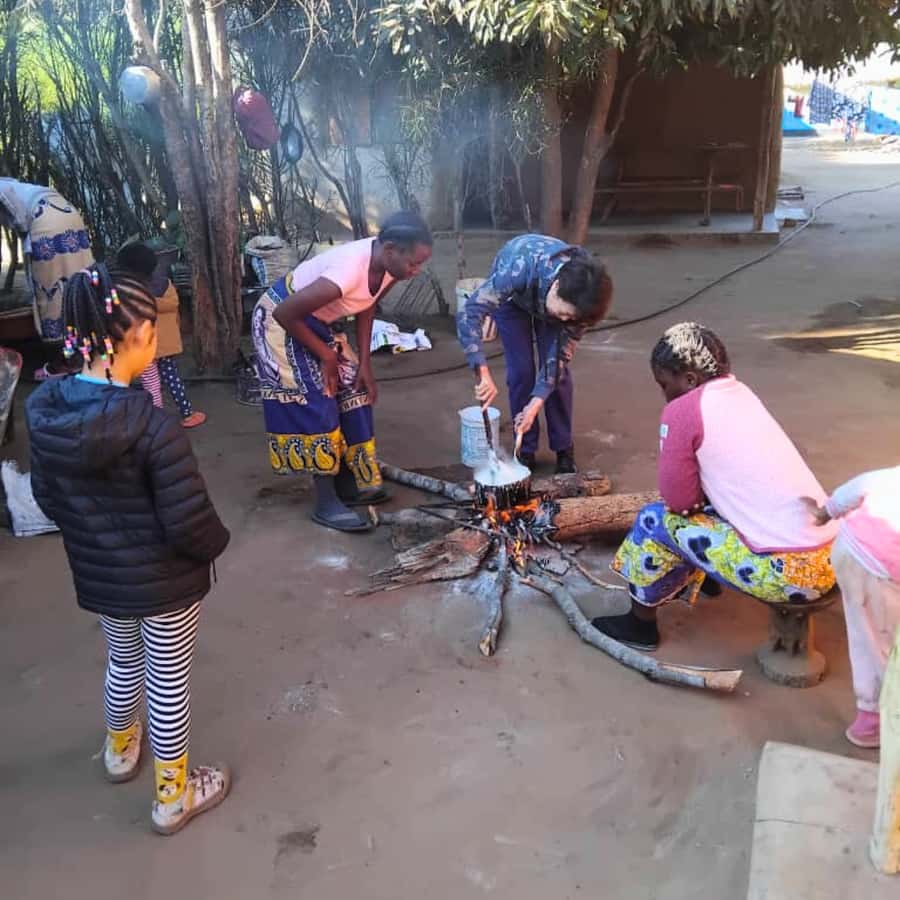
You’ll also learn how the local alcohol is made. The tour description is clear that this is about learning, not a party. Still, it is a cultural topic and it helps to be mentally ready for a demonstration or explanation related to alcohol production.
For many visitors, the most useful takeaway is context. Instead of thinking of alcohol as just a beverage, the guide frames it as part of local knowledge and tradition. That’s where the experience becomes more human. It’s not “weird tourist activity.” It’s “here’s how this community does something important.”
If you prefer to avoid anything alcohol-related, you can still get value from the explanation. Just be upfront in your mind that you’re coming for cultural understanding, not tasting or drinking.
Coffee and Tea, Plus Real Interaction With Kids
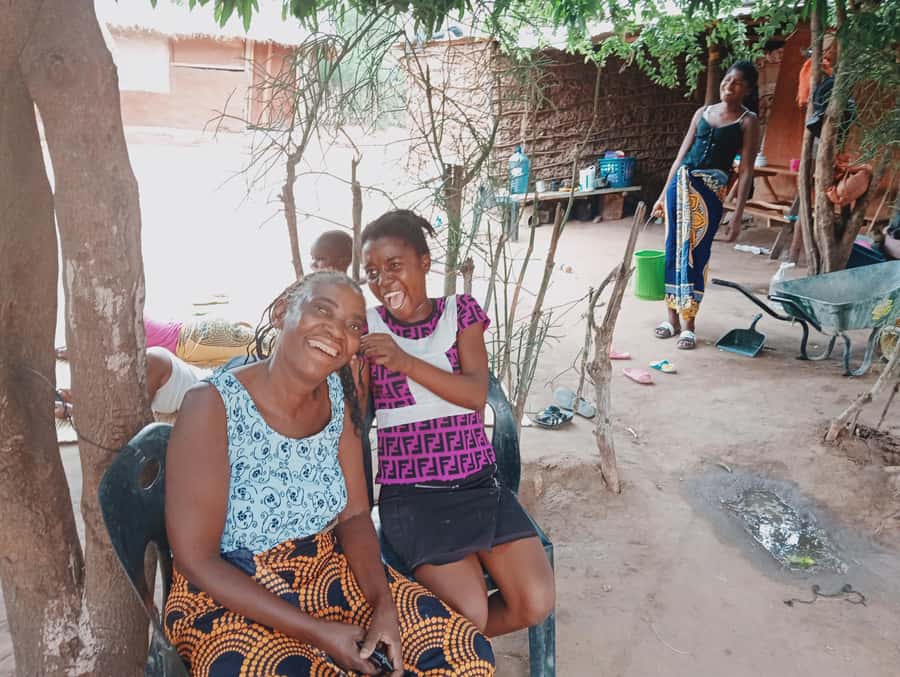
The tour includes coffee and tea, and honestly, it’s a welcome reset. After walking and listening, you get a moment to sit, regroup, and talk. It’s often during these breaks that conversations feel most natural.
And yes, there’s time to play with cute children and interact with locals. This is a big reason people rate the experience so highly. When children are involved, the tour stops feeling like a scripted route. You’re in a living community, and the friendliness becomes part of the story.
Here’s the thing I’d keep in mind if you’re bringing your own expectations. Don’t overthink it. You don’t need to be charming or perform. A calm attitude and respectful attention usually go farther than trying to force interaction.
Price and Value: $50 for a 3.5-Hour Community Connection
At $50 per person for a 3.5-hour tour, the value comes from a few concrete inclusions, not just the “feel-good” part.
You get:
- Transportation to and from Livingstone
- A local tour guide
- A village walk and cultural learning
- Learning Lozi words
- A school visit to Tusoleke Trust School
- Learning how local alcohol is made
- Coffee and tea
And the impact angle is strong. Since tour profits go toward helping Tusoleke Trust School, you’re paying for an experience that funds education support. That’s often the difference between a cultural tour that feels temporary and one that feels tied to real outcomes.
The one cost-related consideration is also simple: since water is not included, you’ll need to plan for water separately. For a half-day outdoors, that can matter.
Timing, Pickup, and What to Bring (So You Don’t Have to Worry)
This lasts 3.5 hours. Pickup is included, and you should wait in your hostel or hotel lobby about 10 minutes before your scheduled pickup time. That small detail matters because tours run on local timing, and being ready keeps things smooth.
What to bring is part of the deal here. Bring:
- Sunscreen
- Water (bring enough for the whole trip, since none is included)
- Rain gear
- Biodegradable insect repellent
My practical advice: pack in a way that you can access water quickly. You’ll be walking and spending time outdoors, and you don’t want to dig through your bag mid-explanation.
Also, since this is an English-language tour, you can relax about communication. You still might catch some local words, but the guide handles the meaning clearly.
Who Should Book This Tour, and Who Might Not Love It
This tour is a great match if you want:
- A cultural experience that connects to education support
- Real community interaction, including kids
- Hands-on learning like how buildings are built and how local alcohol is made
- A guide with deep local ties, Alex Jakanani
You might want to skip it if you only want big-picture sightseeing from a distance. This is about life inside the community, not sweeping monuments.
It also suits visitors who like conversations. The Lozi words component and the explanations about village life make it feel more like a guided learning experience than a checklist tour.
And since it’s a private group, it can be a good option if you want a calmer pace and more direct attention from the guide.
Should You Book This Traditional Village Tour?
I think it’s an easy yes if you’re in Livingstone and you want something with meaning. The tour is close to town, lasts a satisfying 3.5 hours, and includes real stops like Tusoleke Trust School plus learning about how life is supported in a traditional Lozi village. The friendliness people highlight makes sense, because you’re not just watching, you’re interacting.
The main reason not to book would be simple: if you’re unprepared for an outdoor walk and you don’t bring water, the experience can feel uncomfortable fast. Plan for water and sun and you’ll be set.
If you want a cultural stop that’s practical, human, and connected to education impact, this is a strong choice.
FAQ
Where does the tour take place?
The tour is in the area of the Zambezi River in Zimbabwe, visiting Muke Village, about 20 minutes from Livingstone.
How long is the Livingstone Amazing Traditional Village Tour?
It lasts 3.5 hours.
How much does it cost?
The price is $50 per person.
What’s included in the tour?
Transportation to and from Livingstone, a local tour guide, village walk, learning how local alcohol is made, learning Lozi words, a visit to Tusoleke Trust School, and coffee and tea.
Is water included?
No. Water is not included, and you should bring enough water for the whole trip.
Who is the tour guide?
The guide is Alex Jakanani.
Is pickup provided, and where should I wait?
Yes, pickup is included. Wait in the hostel or hotel lobby about 10 minutes before your scheduled pickup time.
Latest write-ups from Zambezi River
- From Livingstone: Victoria Falls River Safari★ 5.0 · 23 reviews
Village & Township Tours, compared.
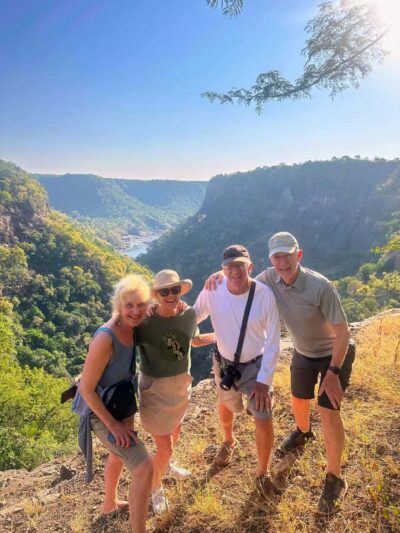
Victoria Falls Gorge Hike & Farm to Table Village Lunch
Read our review →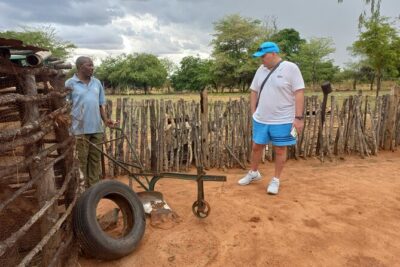
Victoria Falls Rural Tour: Village Life Experience
Read our review →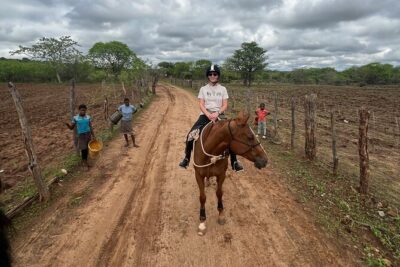
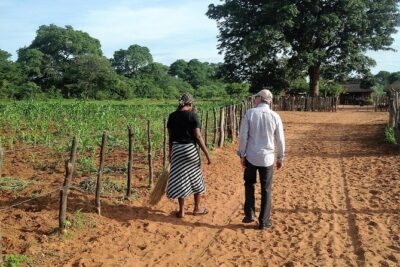
Cultural Village Tour,Interacting With the Communal Villagers (Educational Trip)
Read our review →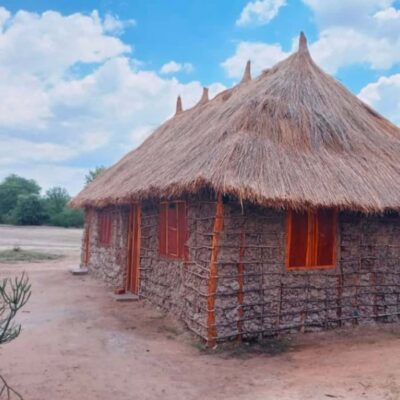
Browse the lists this tour appears in